 Discuss your project
ABOUT VITAL POLESTAR
Connecting across distances
Sensing without boundaries
Anhui Vital PoleStar Xtreme HEMT Technology Co., Ltd.: Vital Materials Group's core business platform for commercial space and the low-altitude economy, and a vertically integrated supplier of active RF subsystems.
Qualified as a Tier 1 supplier to a leading commercial satellite customer in China.

From materials to system capabilities.
Drawing on the Group's GaAs/InP value chain, Vital PoleStar connects GaAs, GaN, InP and CMOS technologies. Chips are designed in-house and fabricated by foundries; packaging, microassembly, modules and complete-system delivery are managed through our own capabilities.
GaN RF power amplifiers support the power chain. InP high-speed ADC/DAC and GaAs HBT Driver/TIA developments address high-speed conversion and optoelectronic interfaces respectively.
MATERIALS TO SYSTEMS
Six stages. One connected technology path.
- 01
Materials
GaAs / InP capabilitiesIntegration across the Group's value chain
- 02
Devices
RF and high-speed signalsGaAs · GaN · InP · CMOS
- 03
Chips
In-house designFoundry fabrication
- 04
Packaging
In-house capabilitiesPackaging · Microassembly · Modules
- 05
Testing
System validationChips · Modules · Signal chains
- 06
Systems
In-house delivery capabilitiesRF subsystems · Instrument systems
GaAs/InP value-chain integration does not mean all materials are manufactured in-house. In-house design, foundry fabrication, packaging and system delivery each have distinct roles. This diagram does not indicate that chips under development have entered mass production.
Explore end-to-end capabilities ↗MICROASSEMBLY & MANUFACTURING
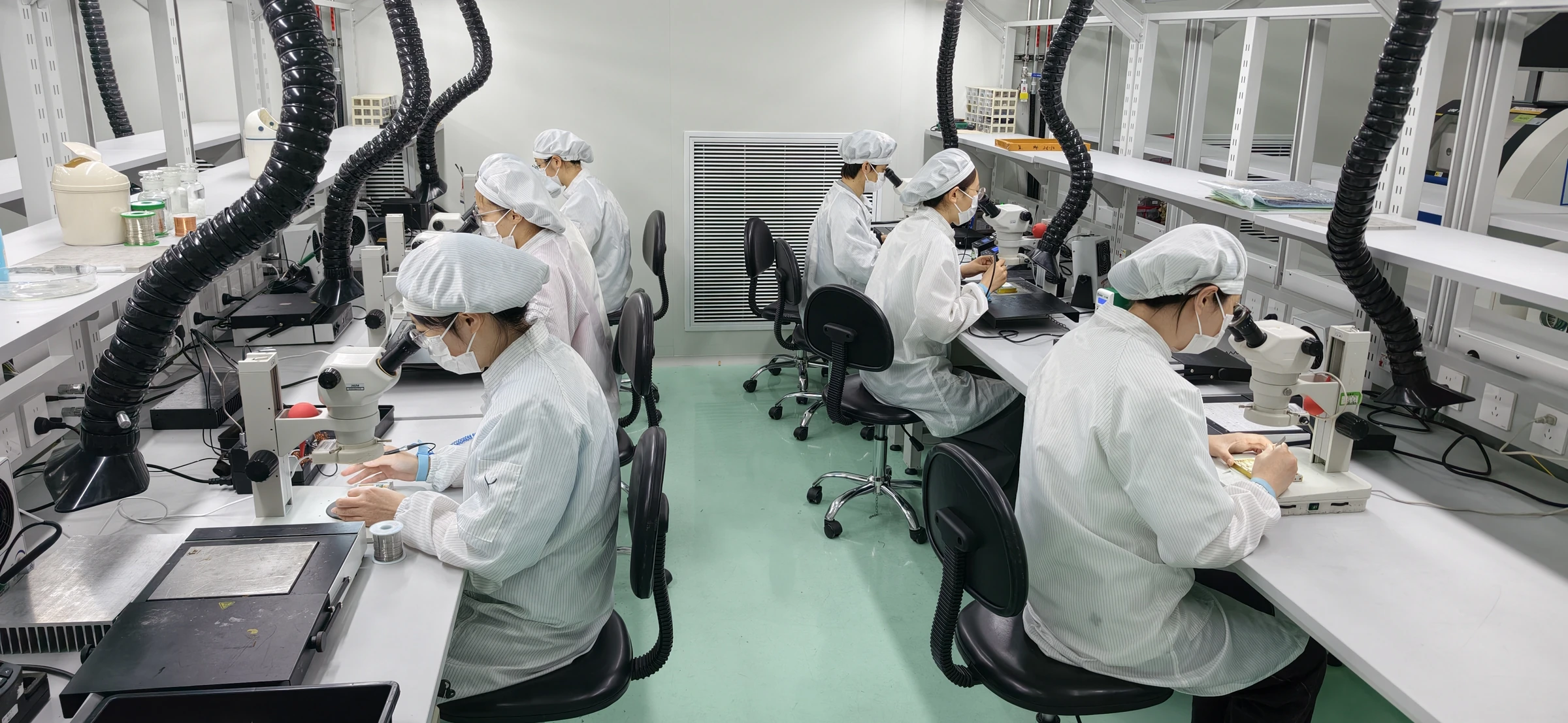
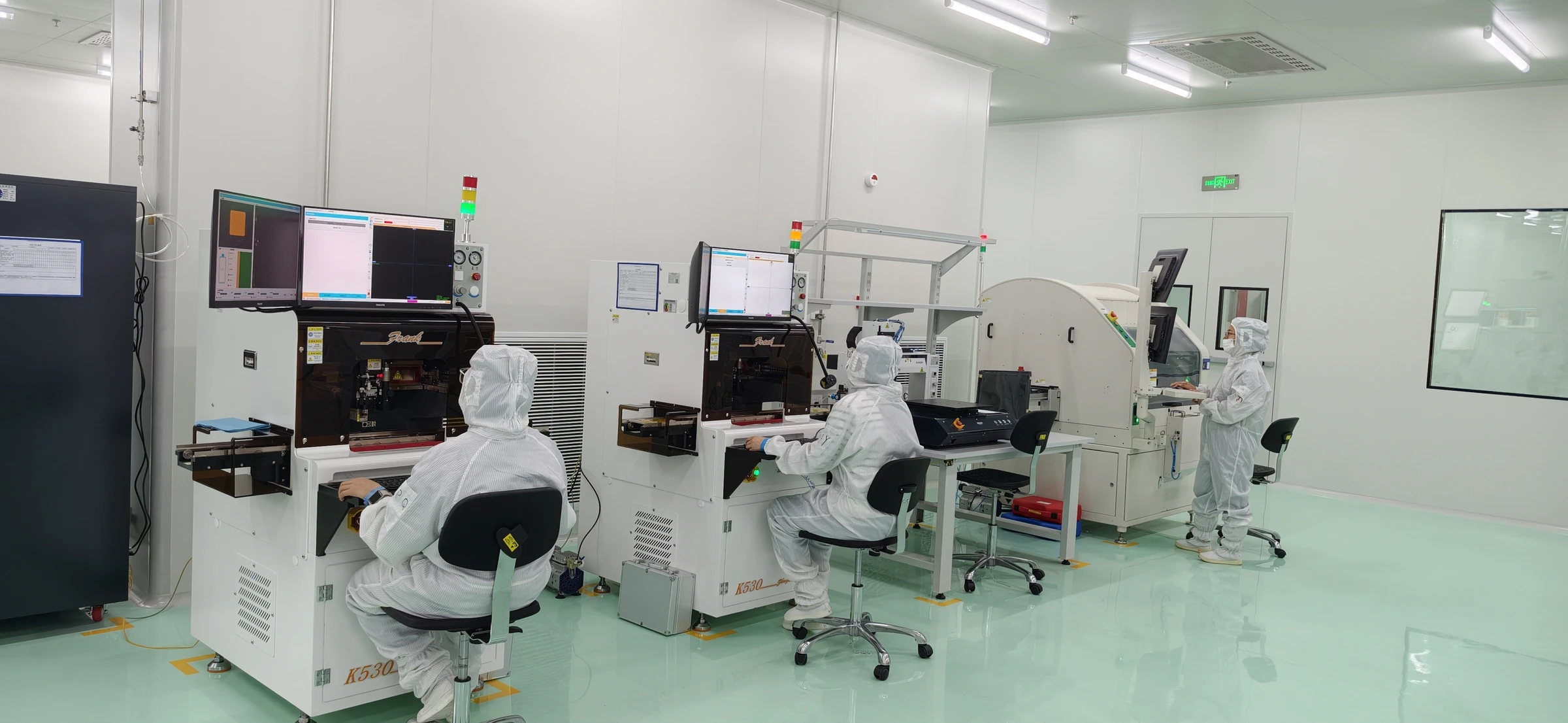
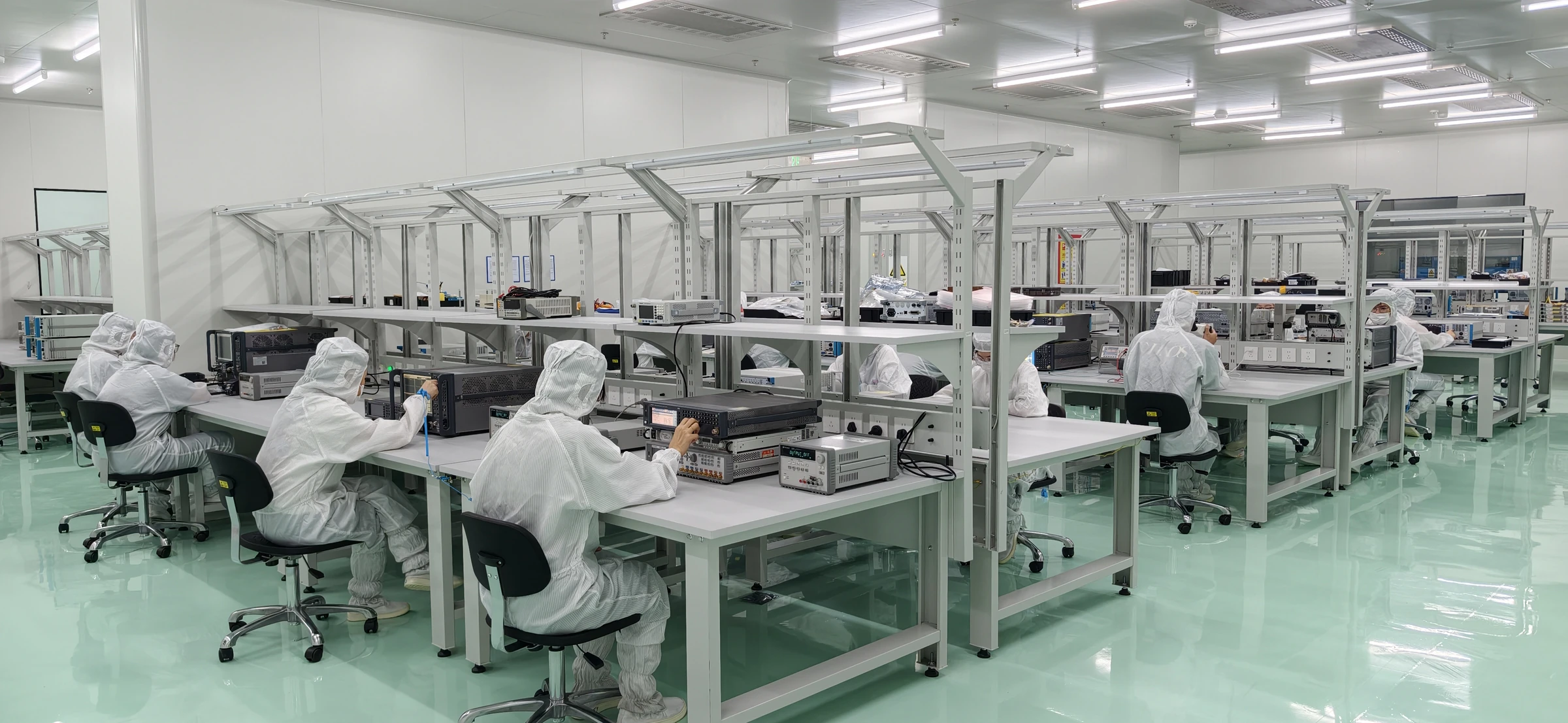
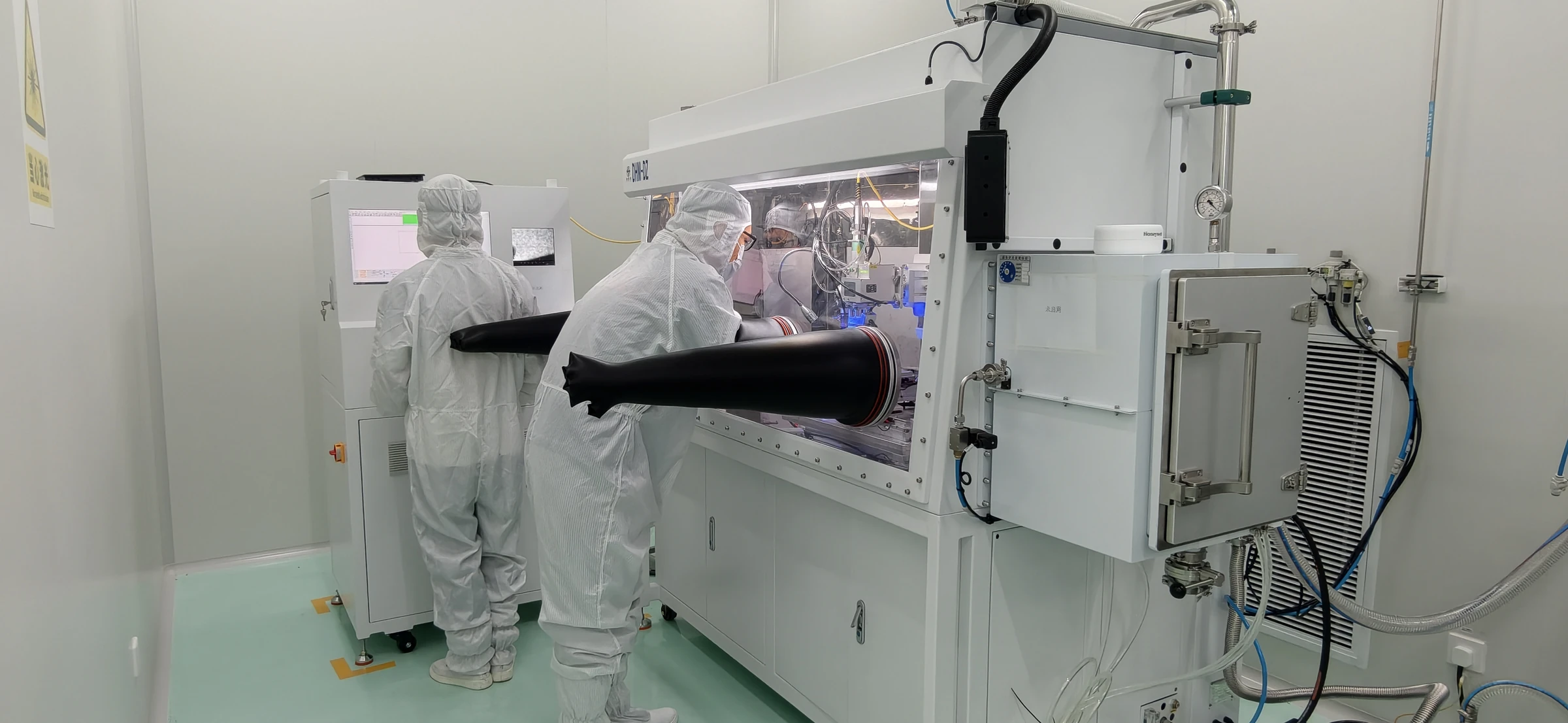
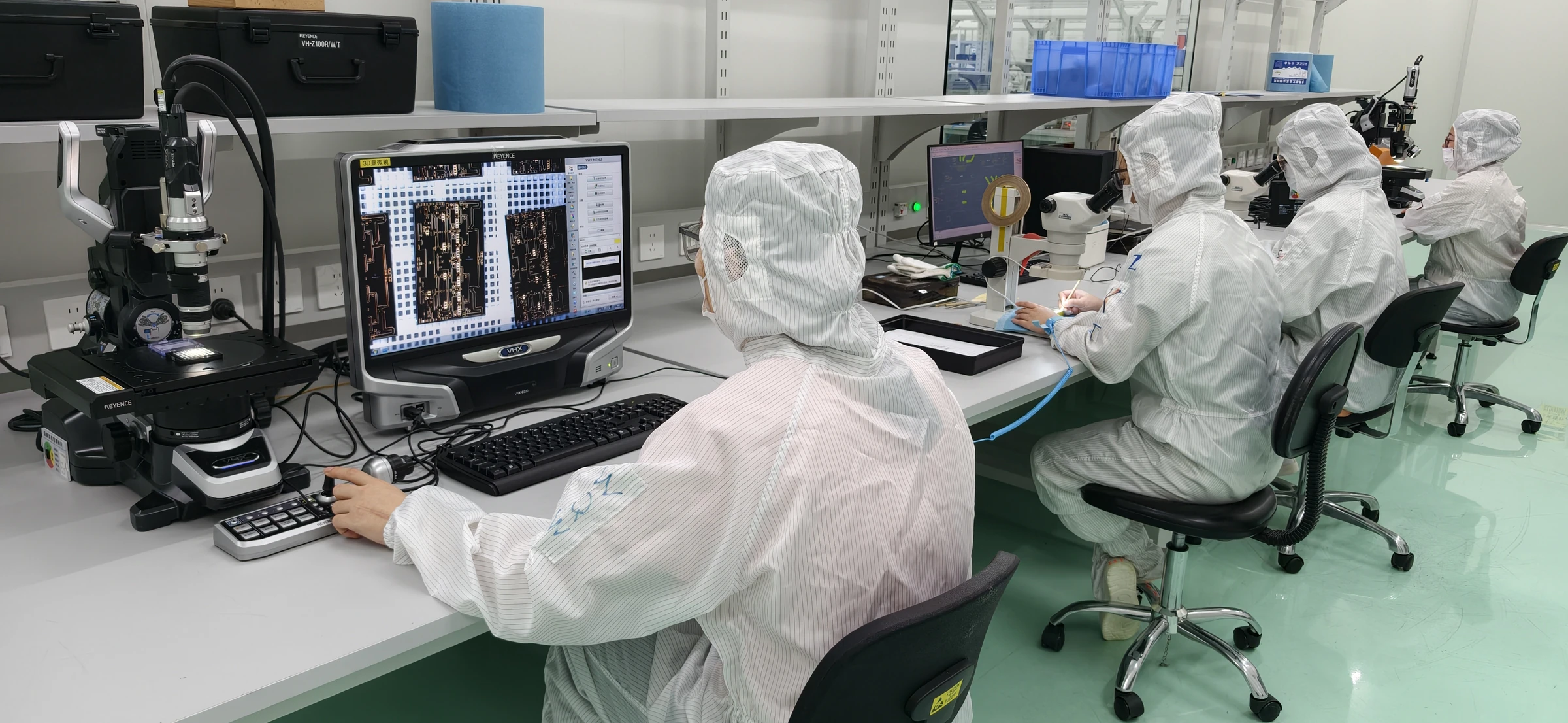
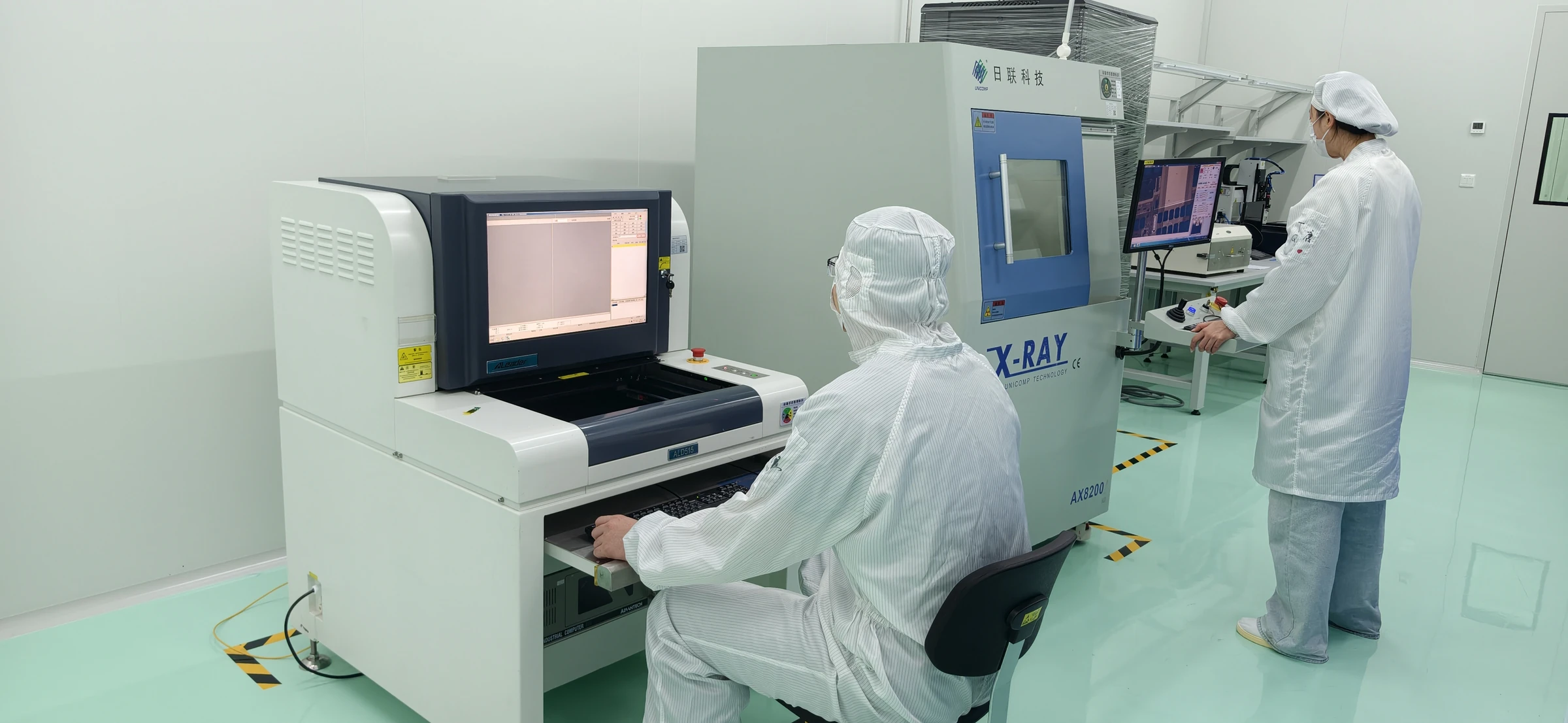
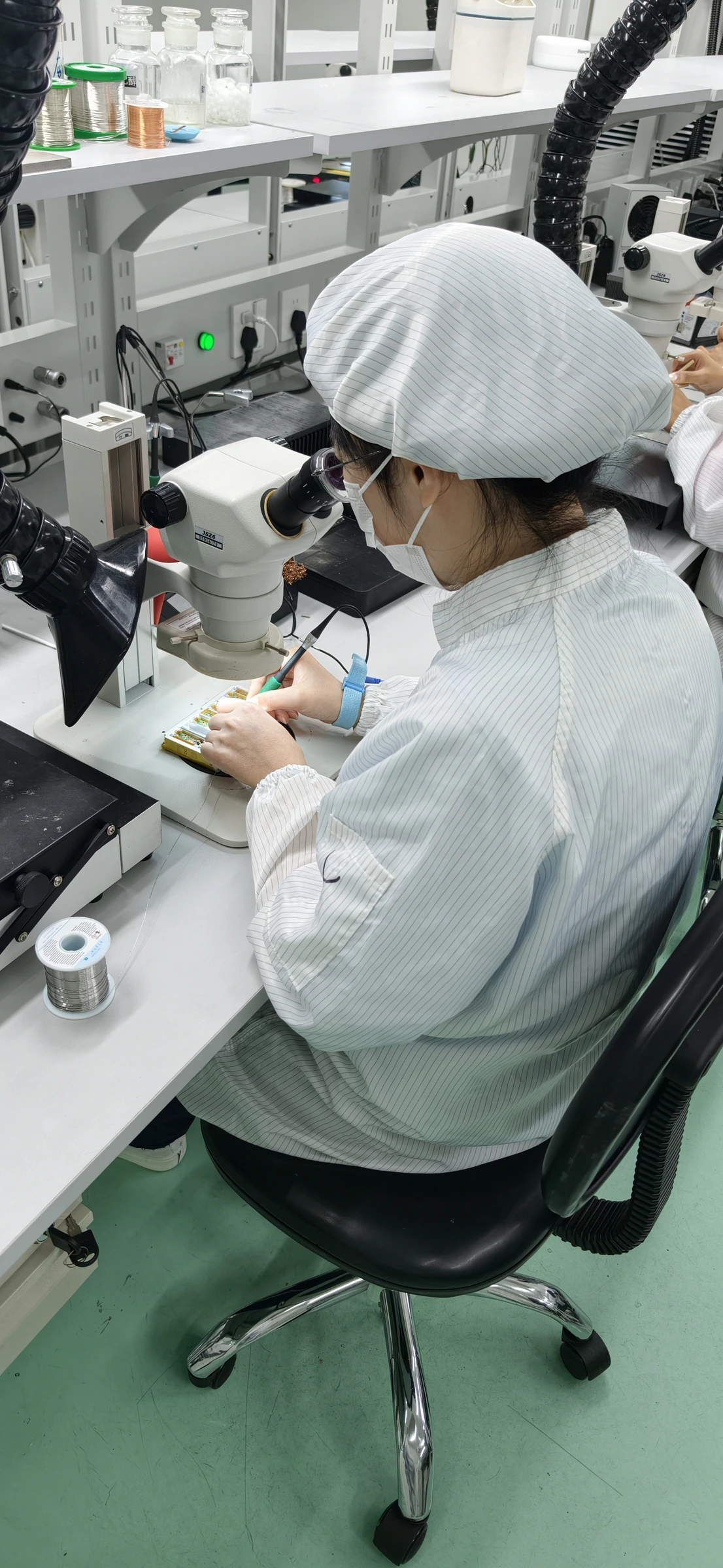
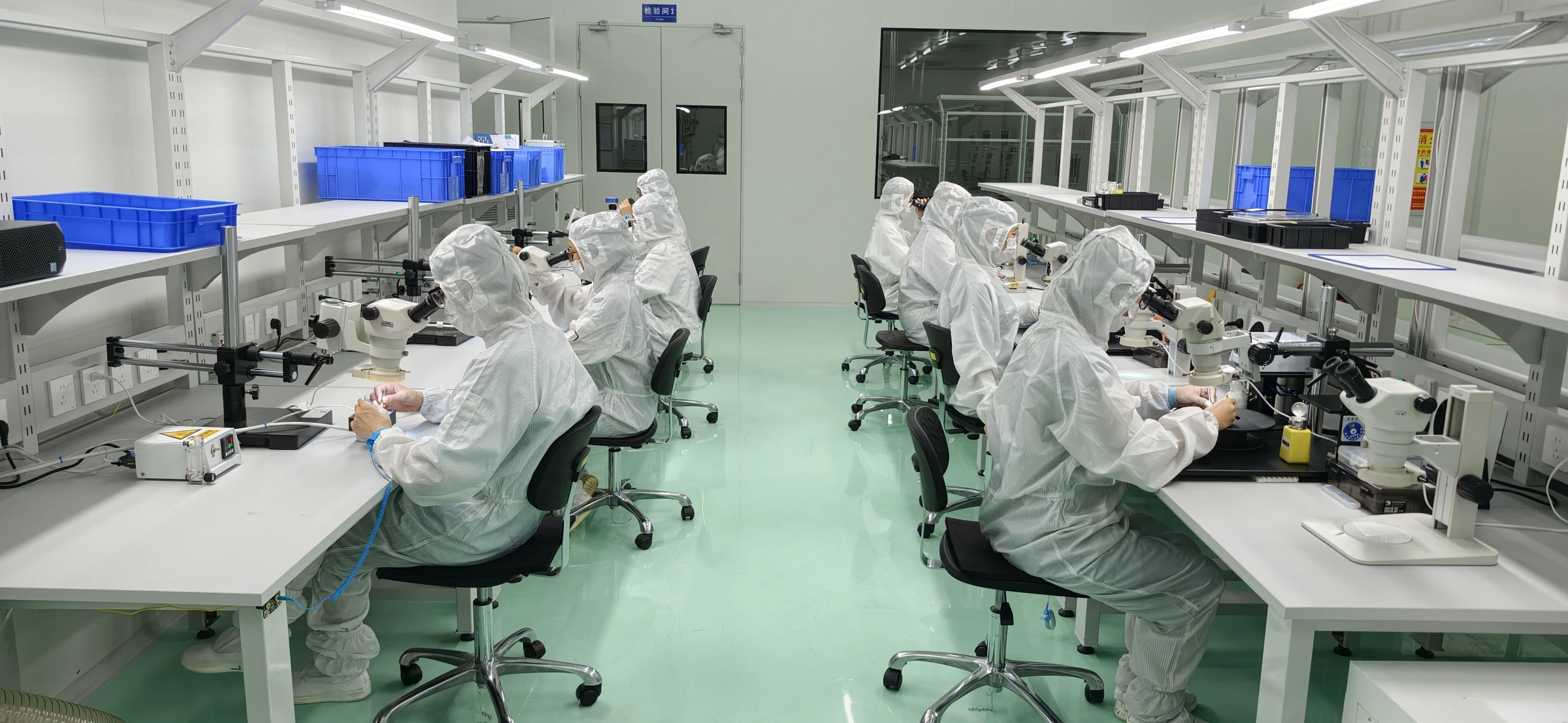
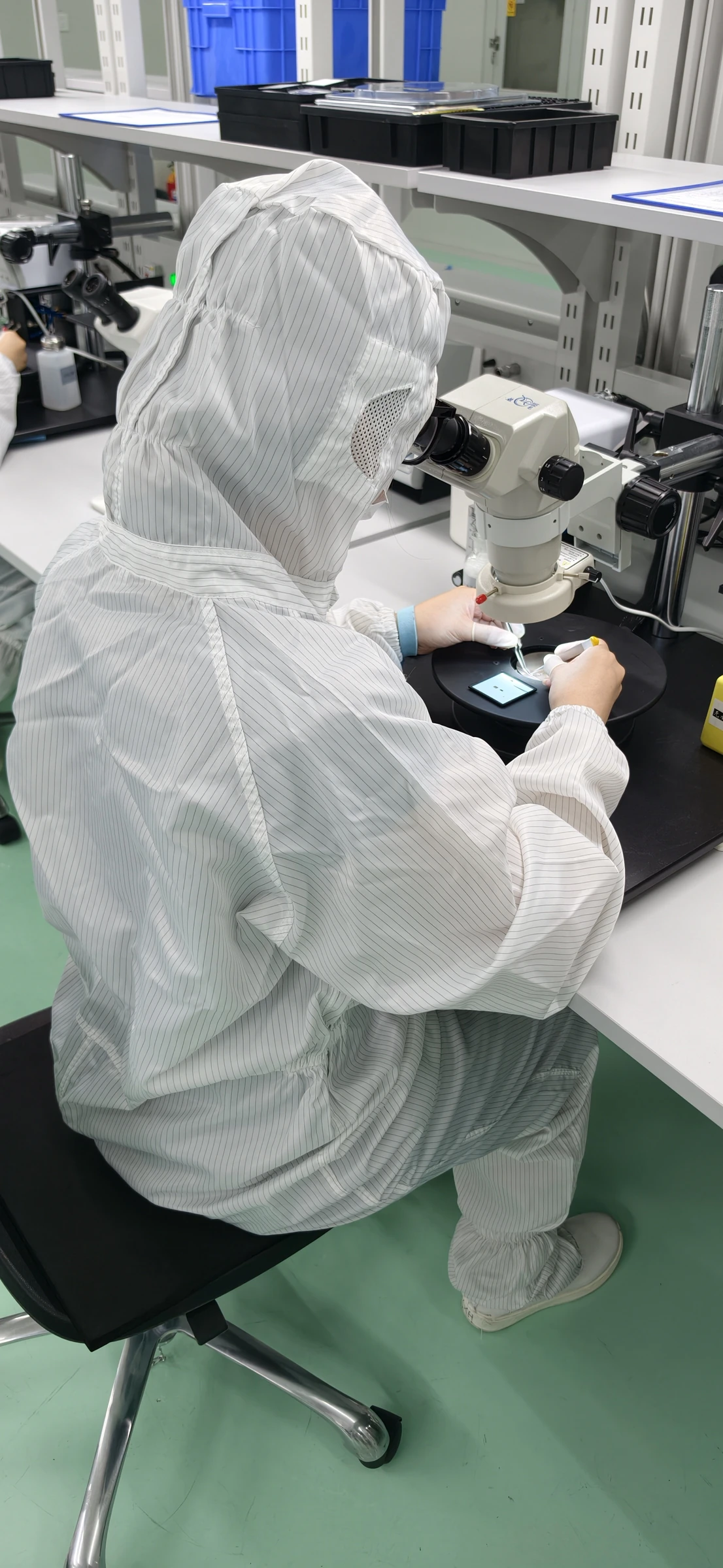
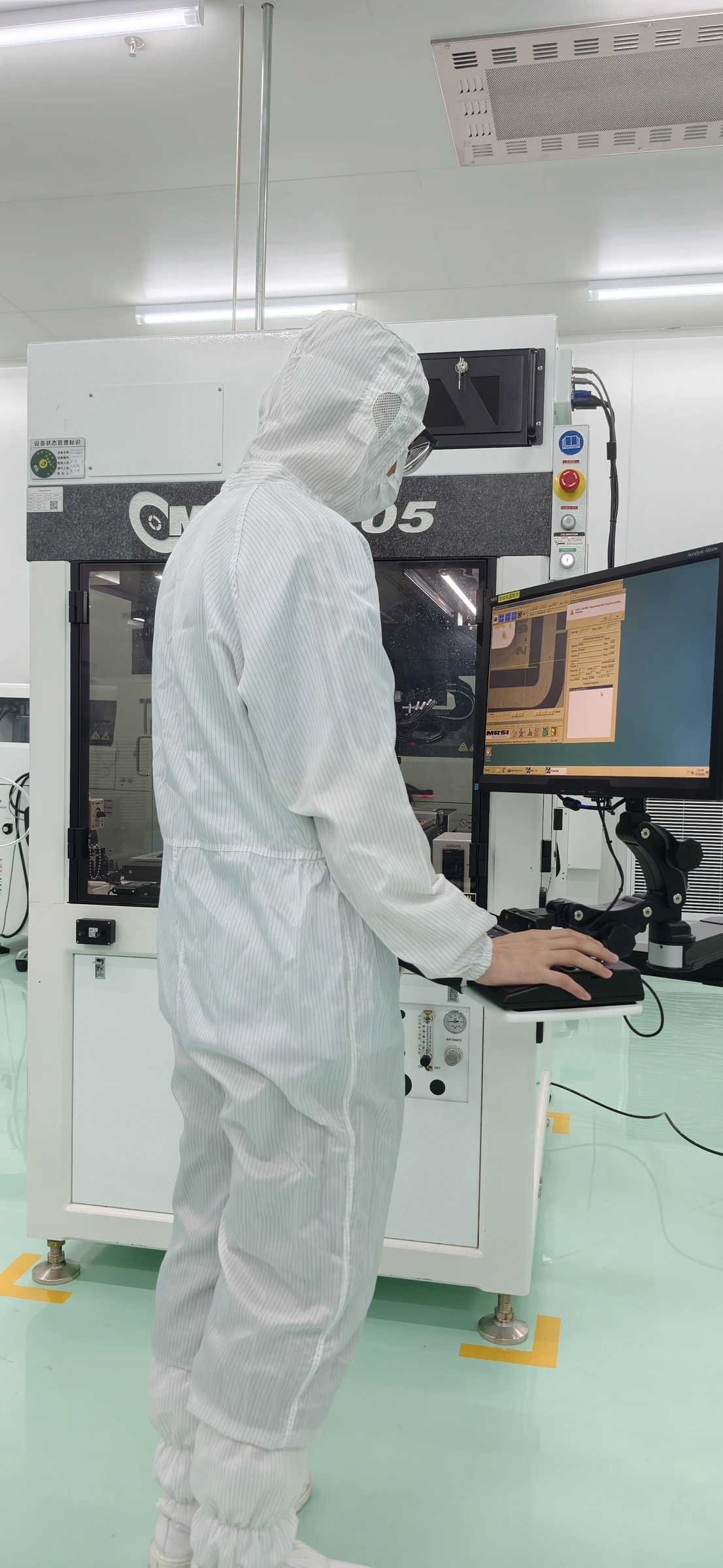
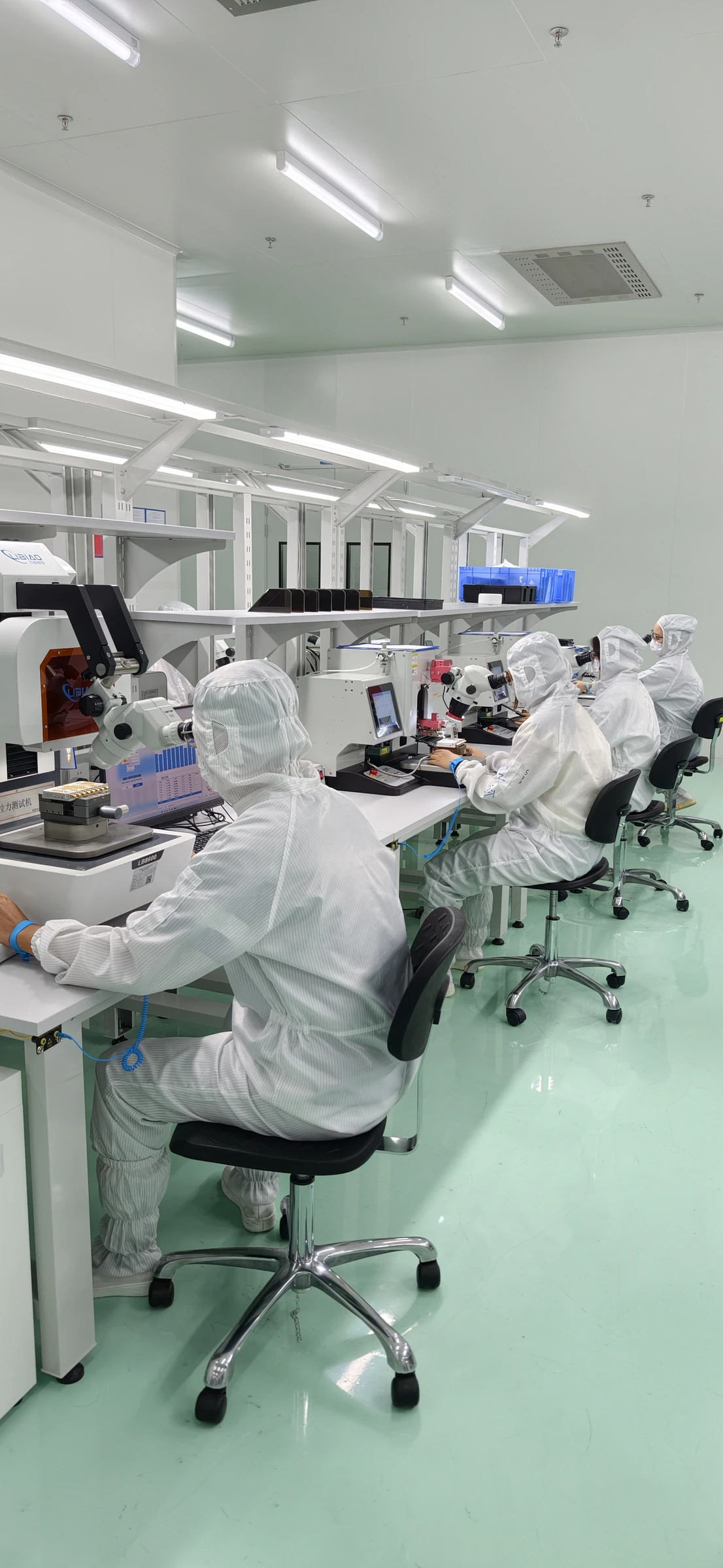
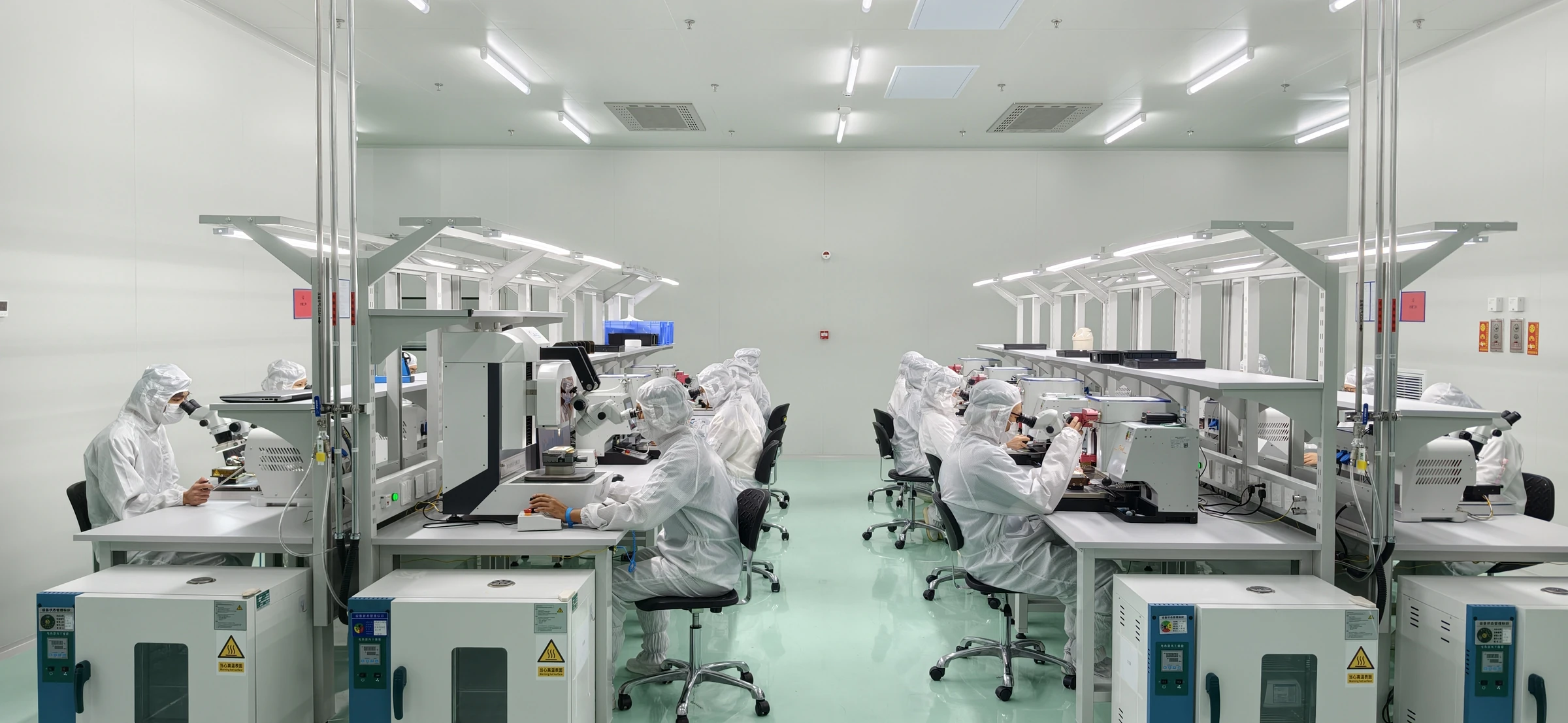
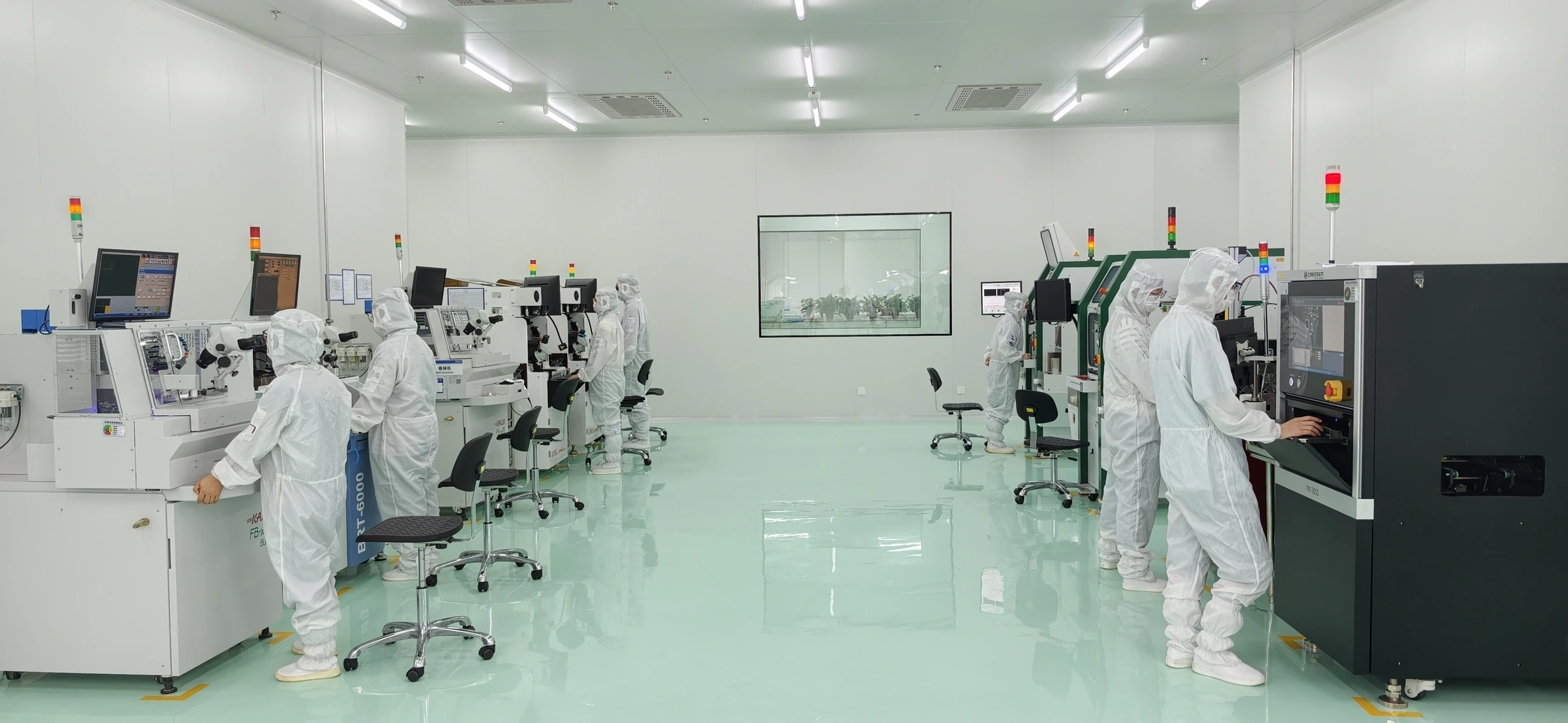
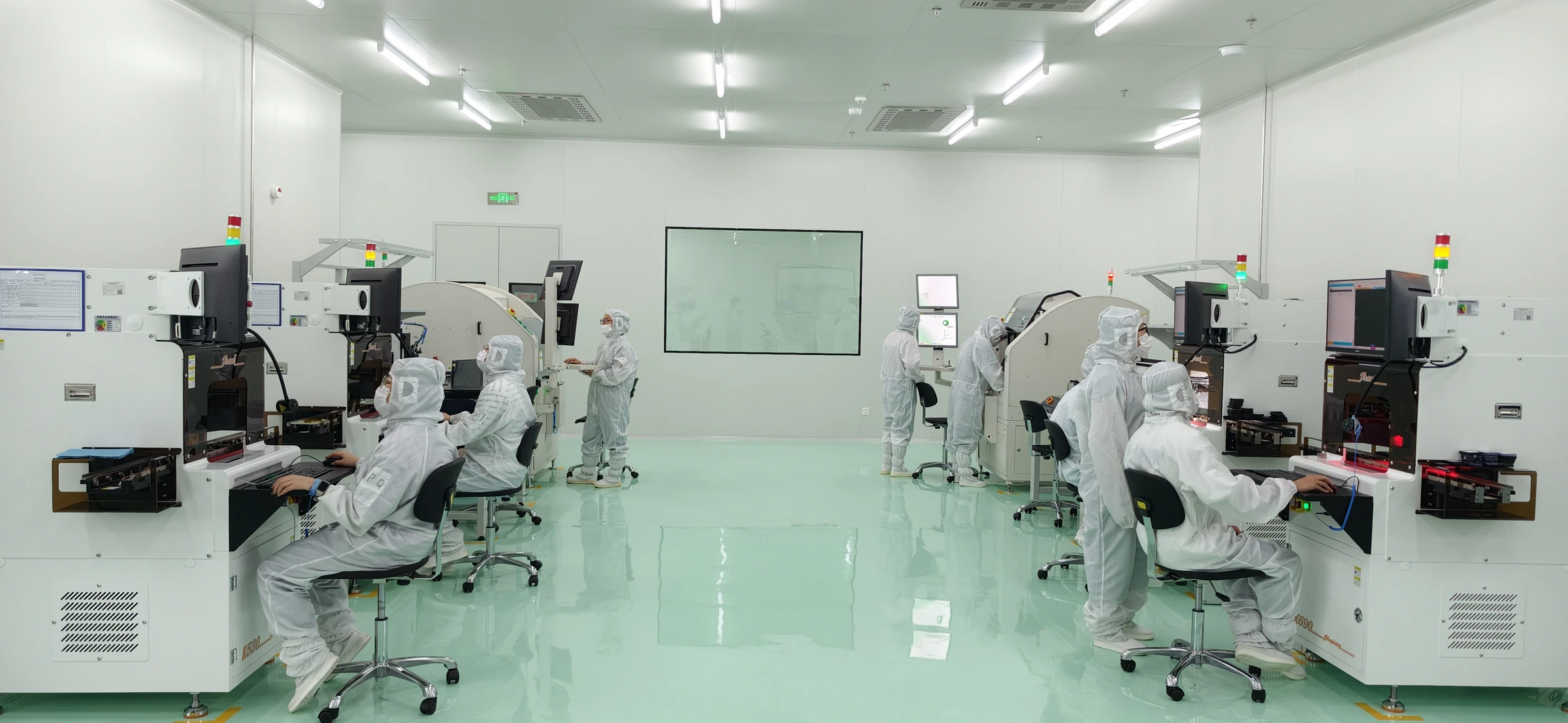
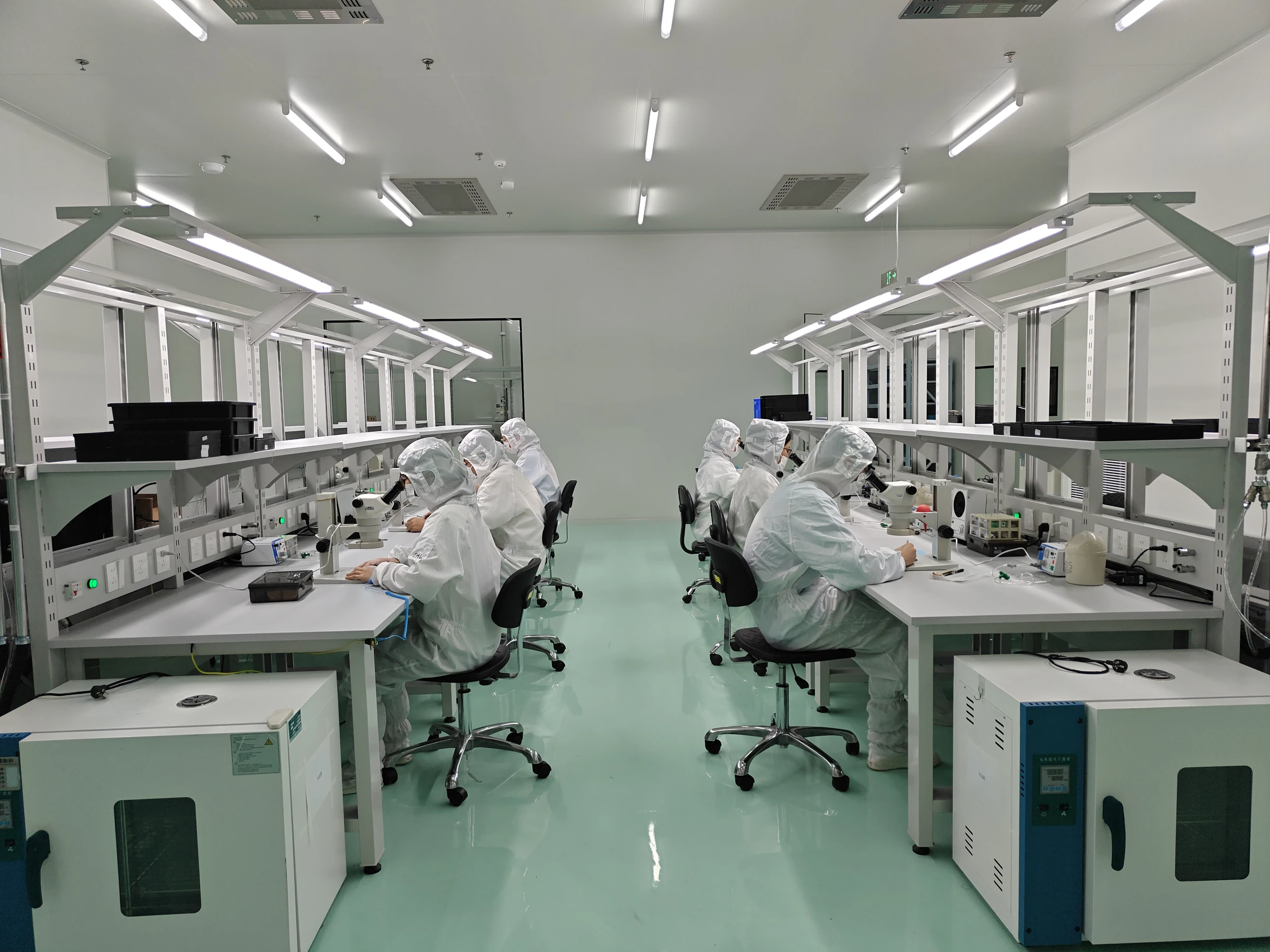
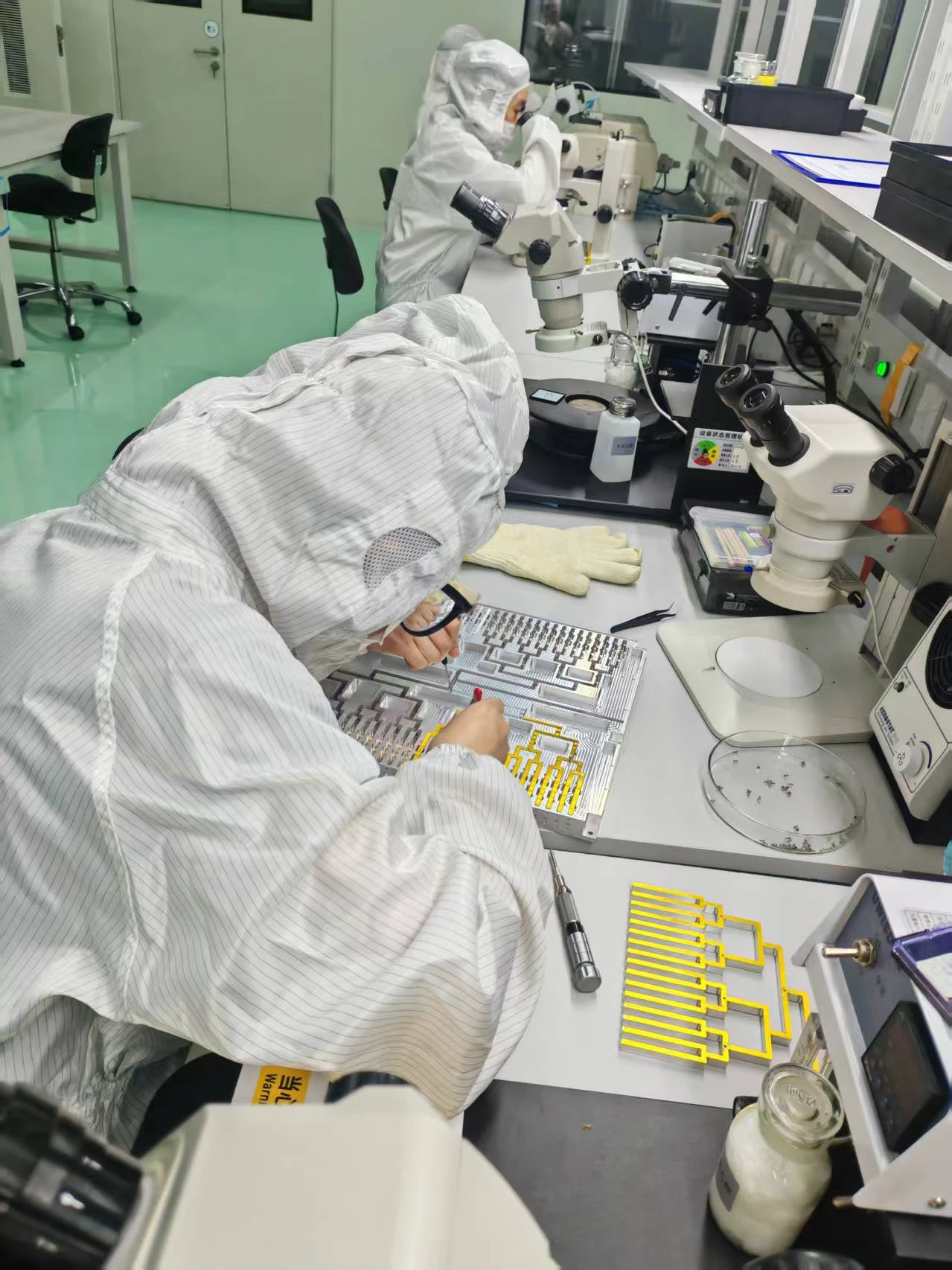
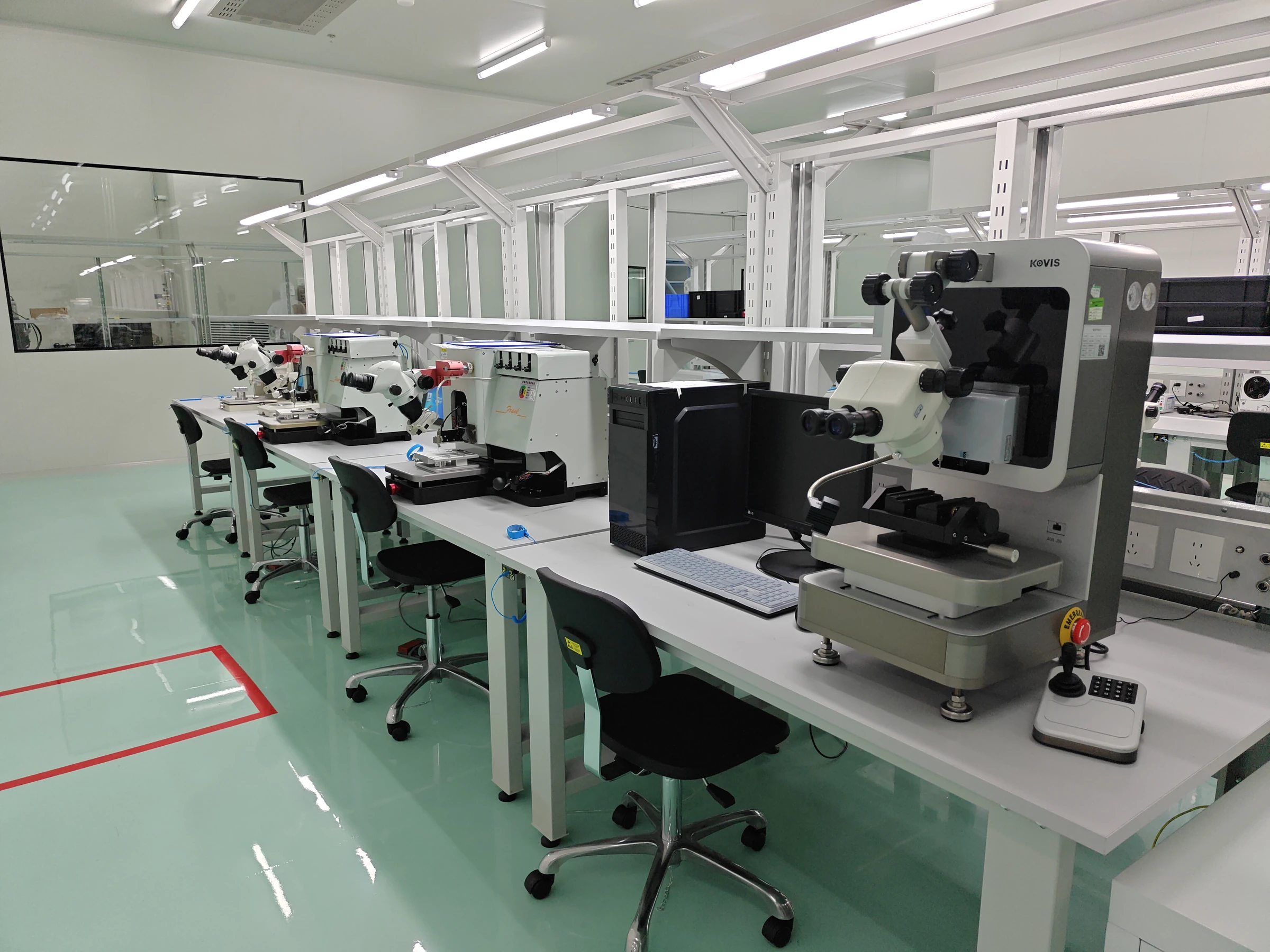
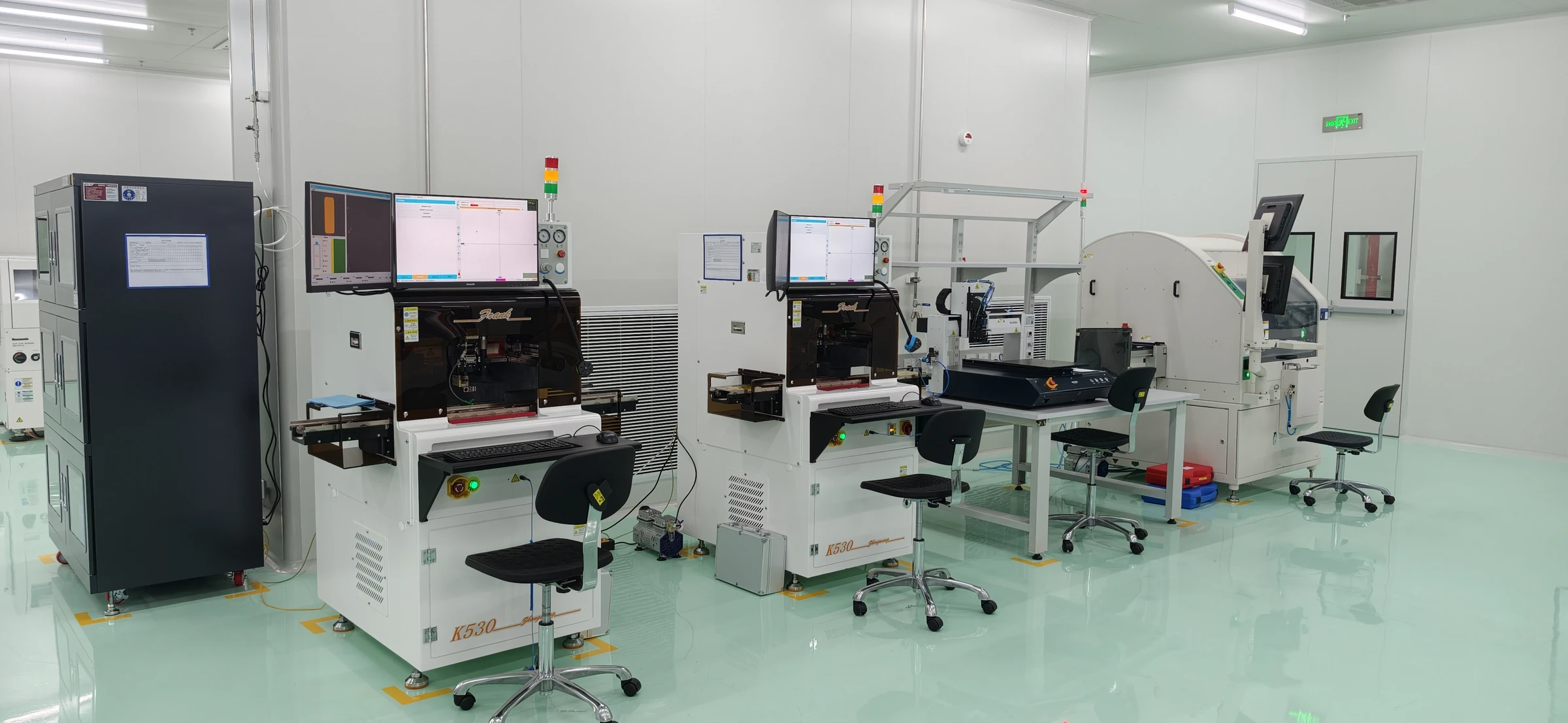
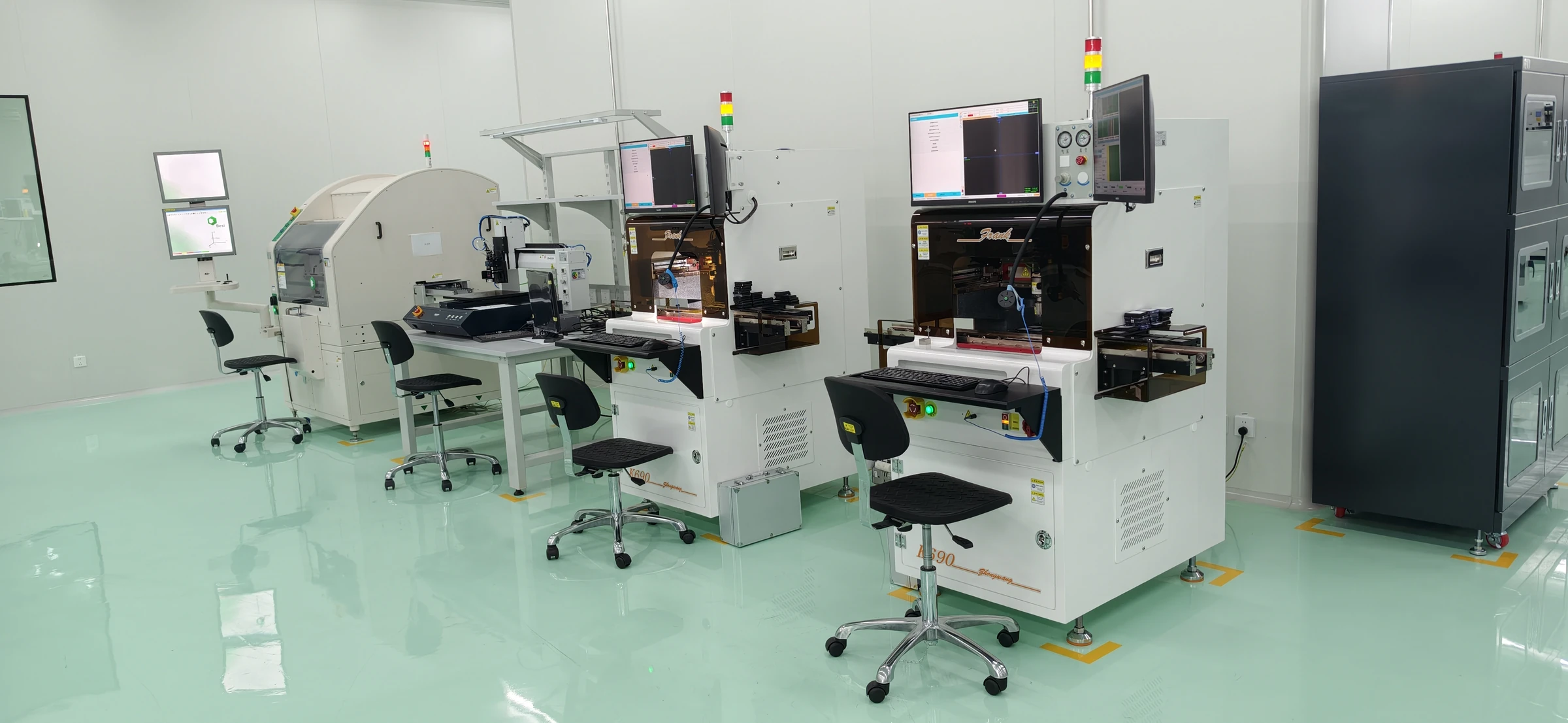
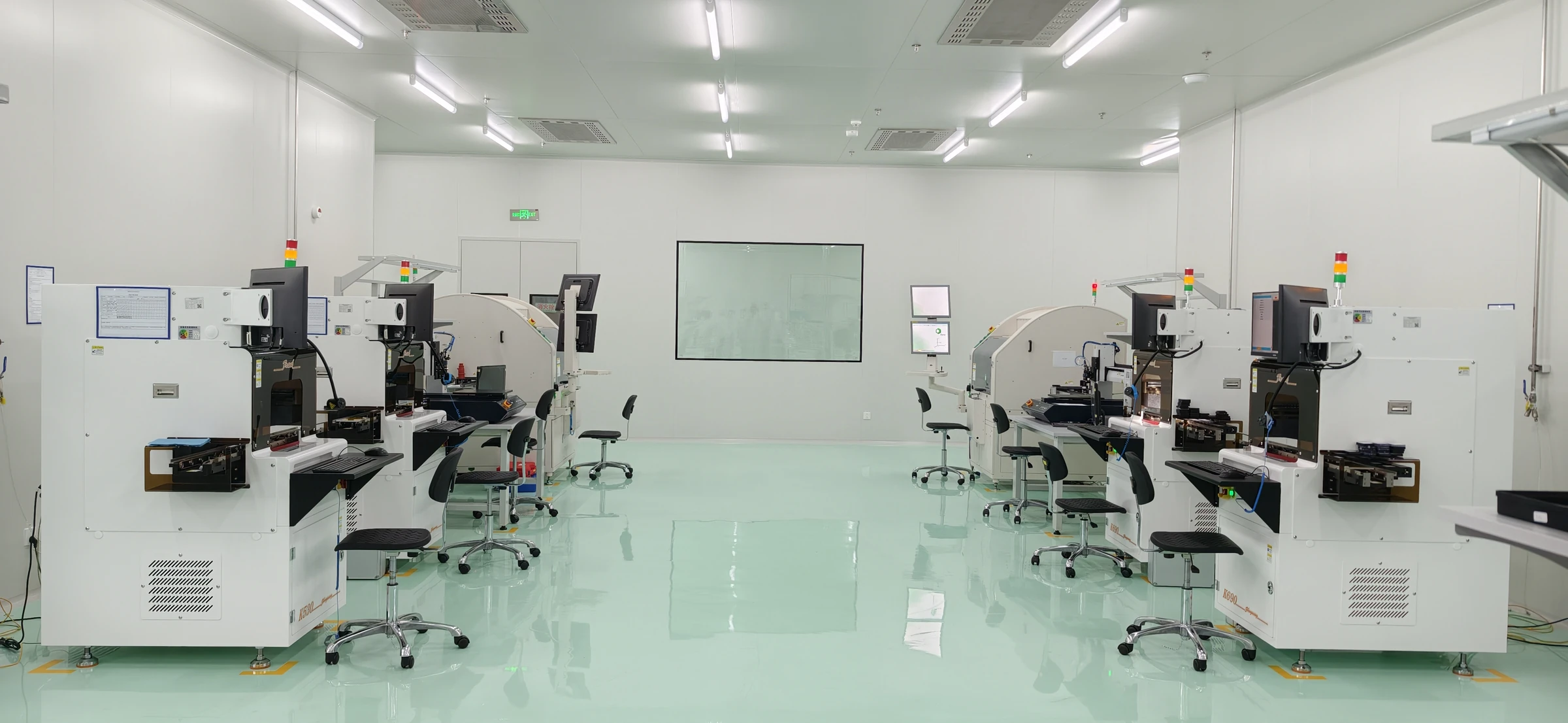
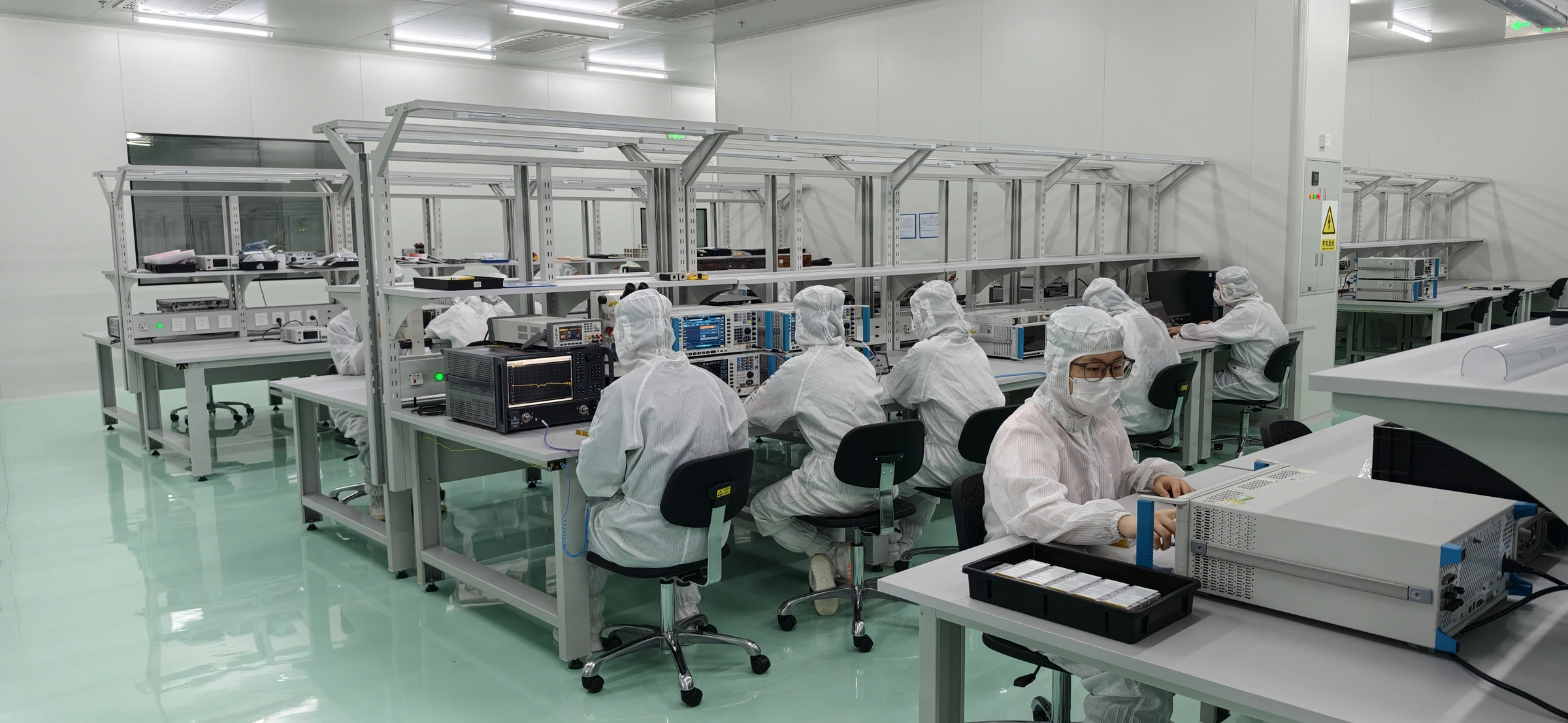
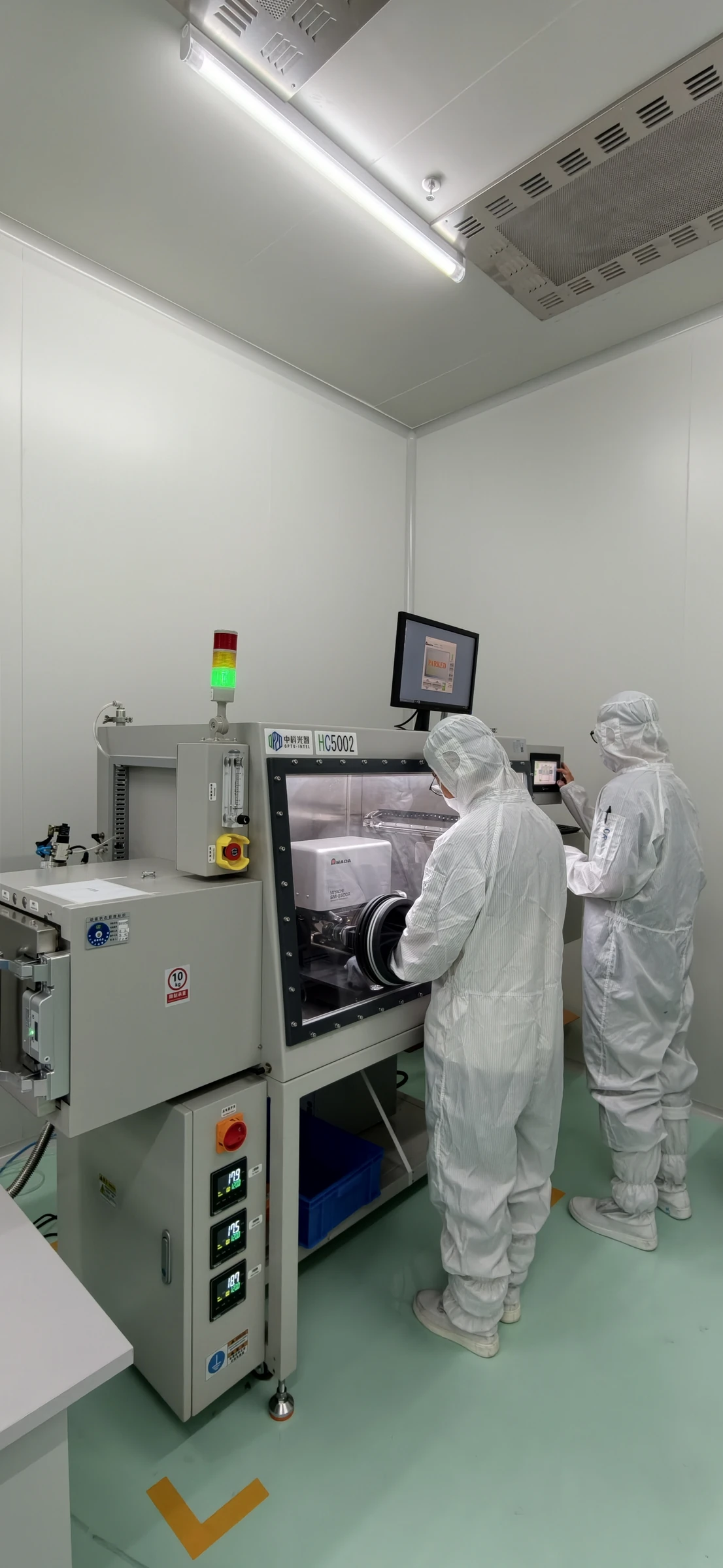
Microassembly and manufacturing capabilities
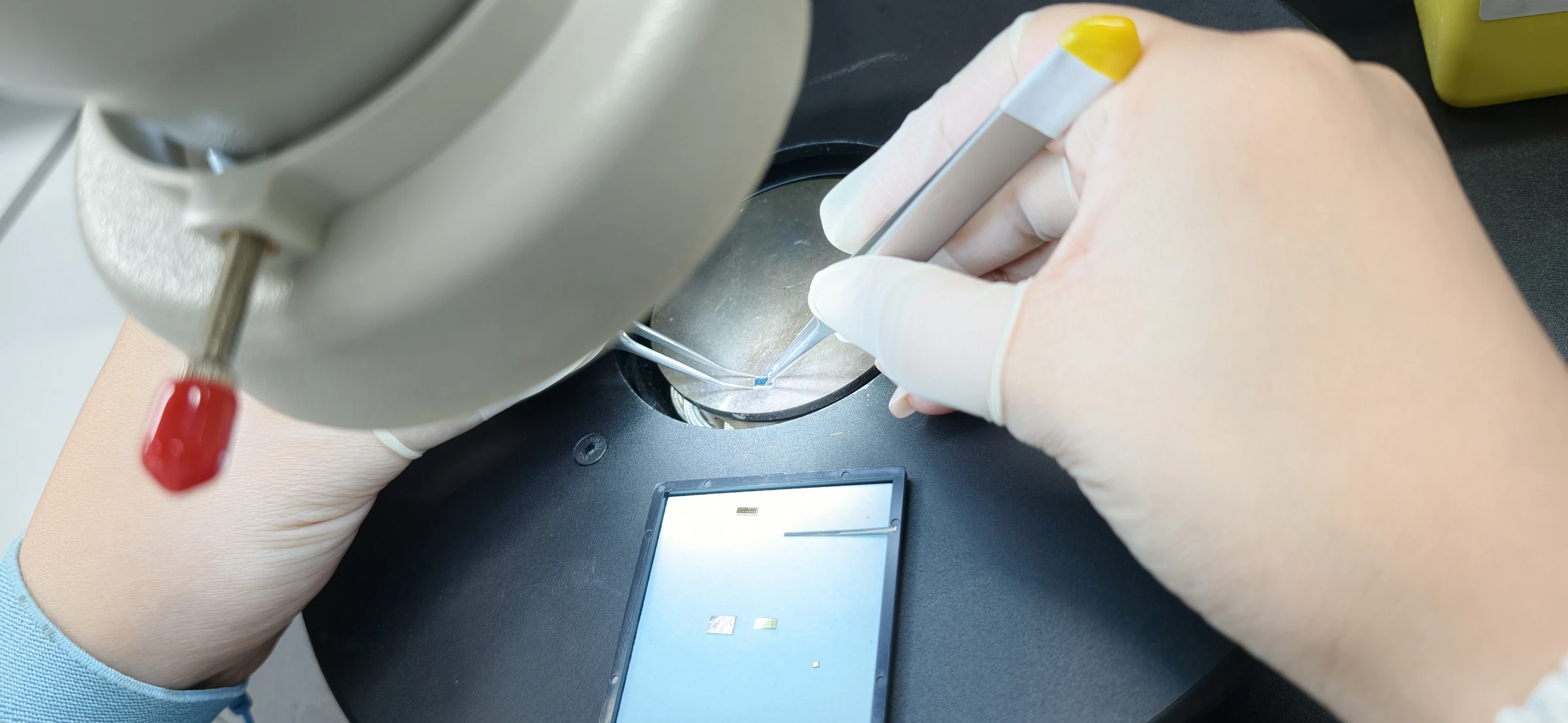
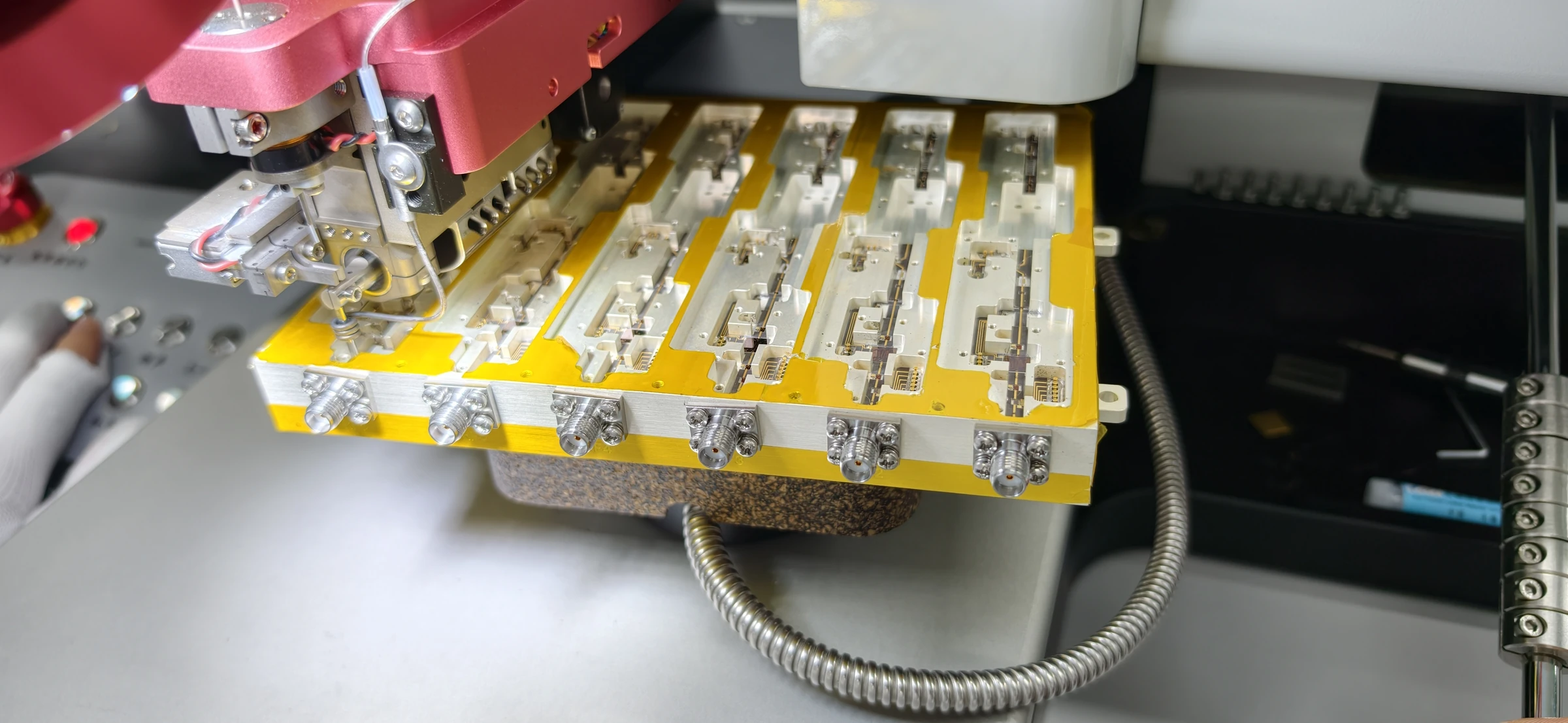
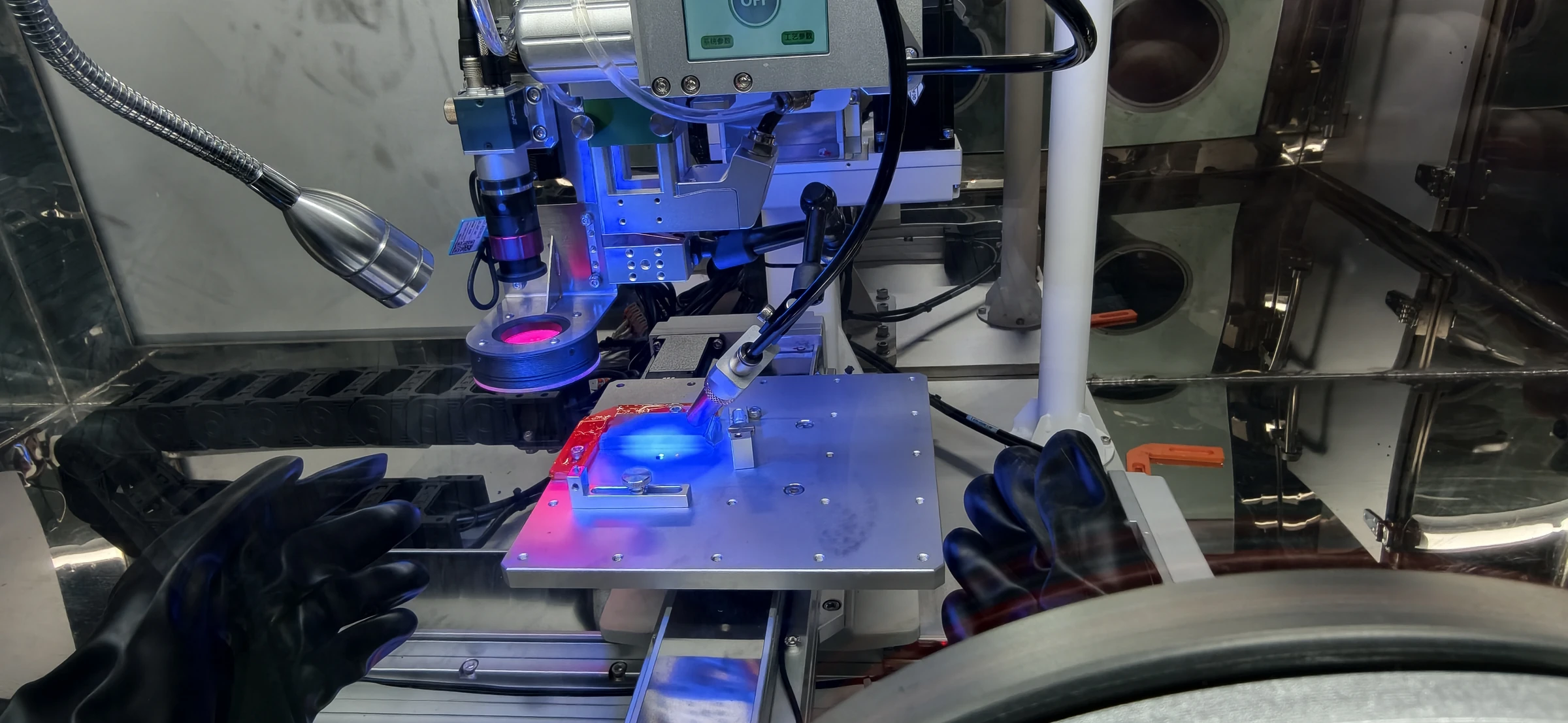
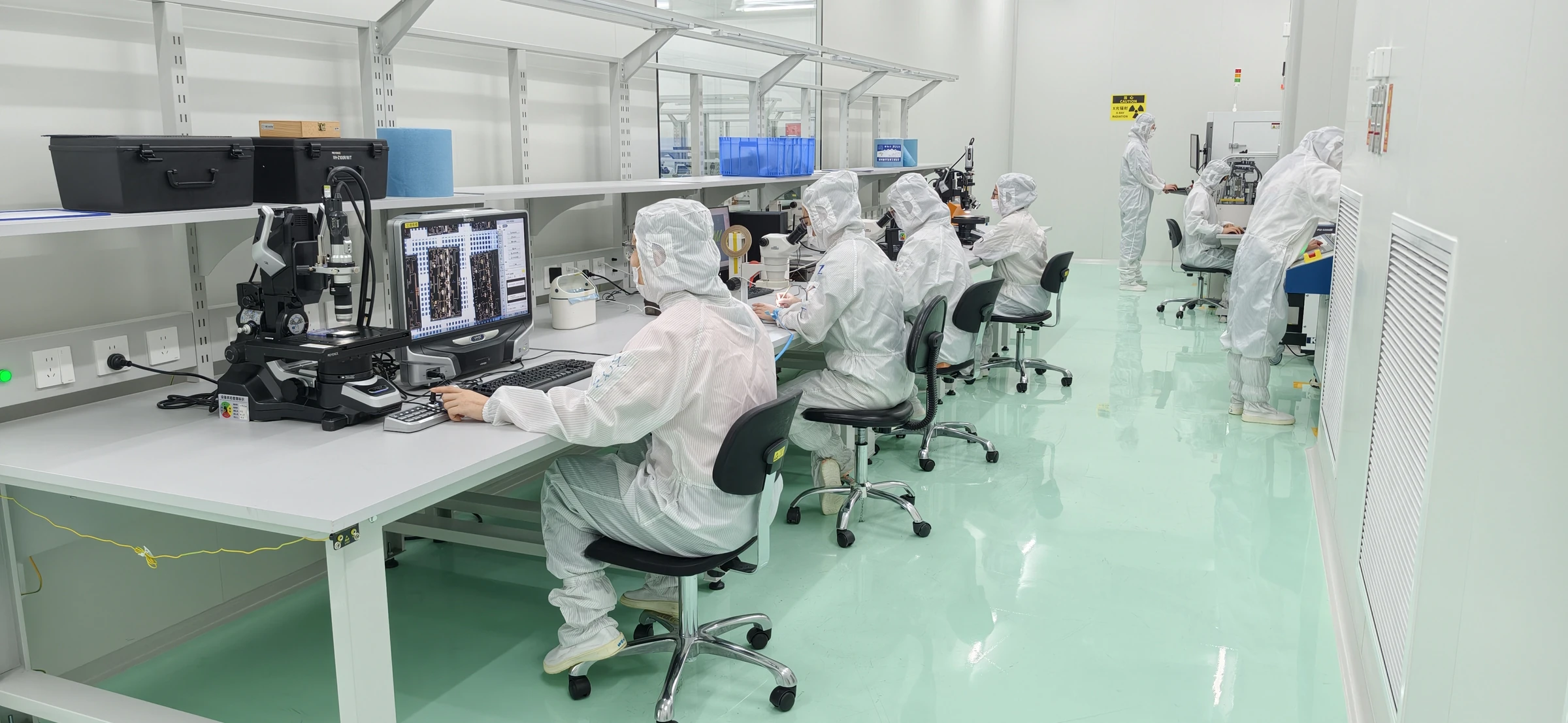
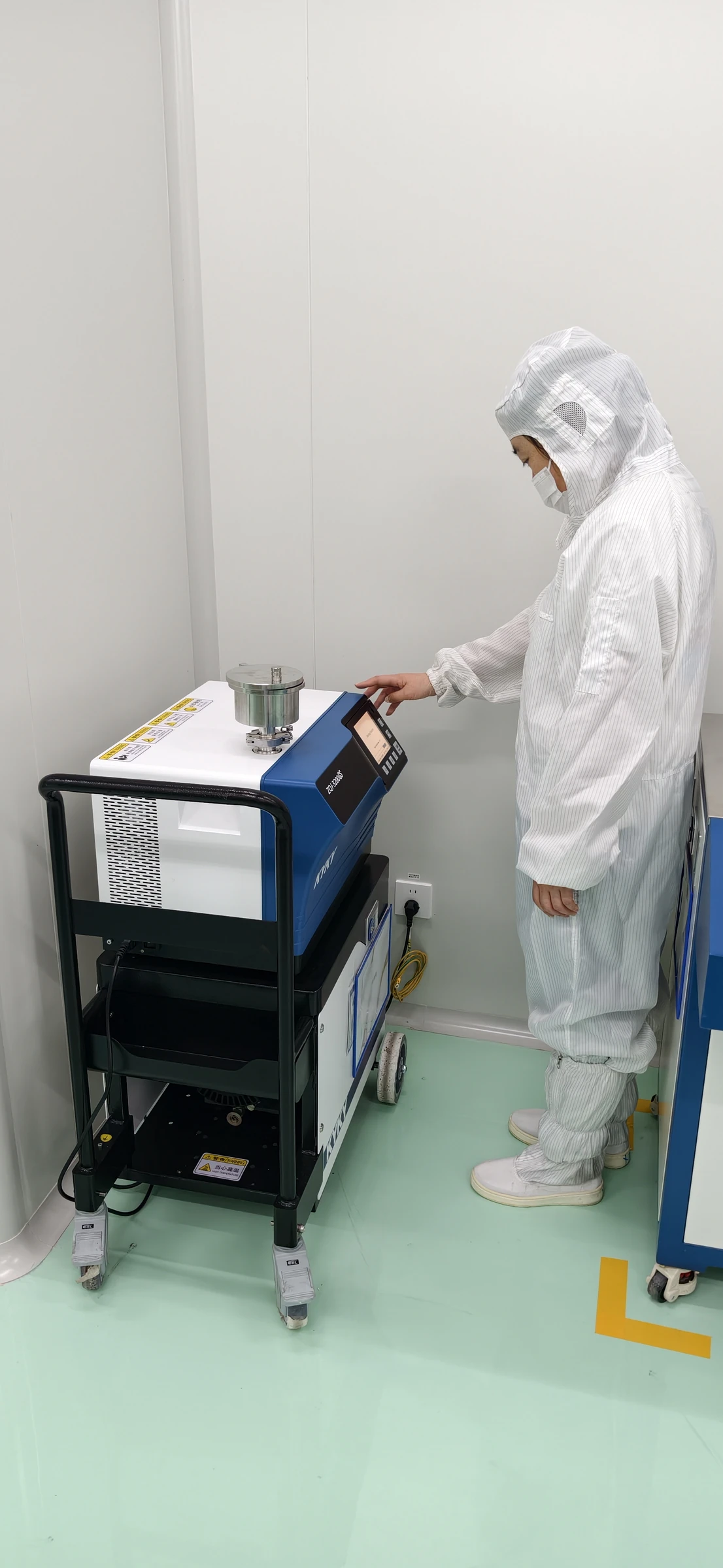
Our in-house packaging, microassembly and module integration capabilities connect RF devices, modules and system delivery.
- Site area
- 3000 m²
- Test frequency range
- 0–110 GHz
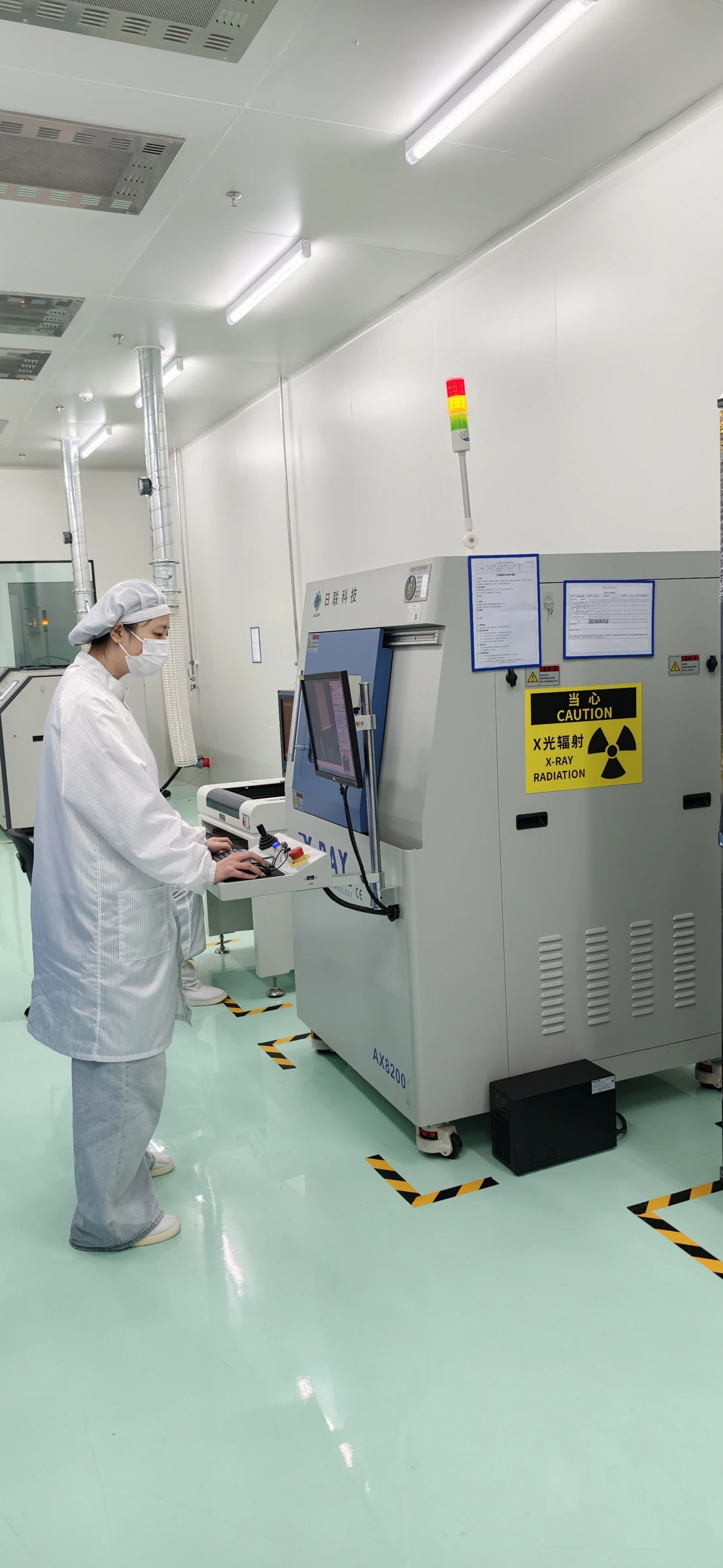
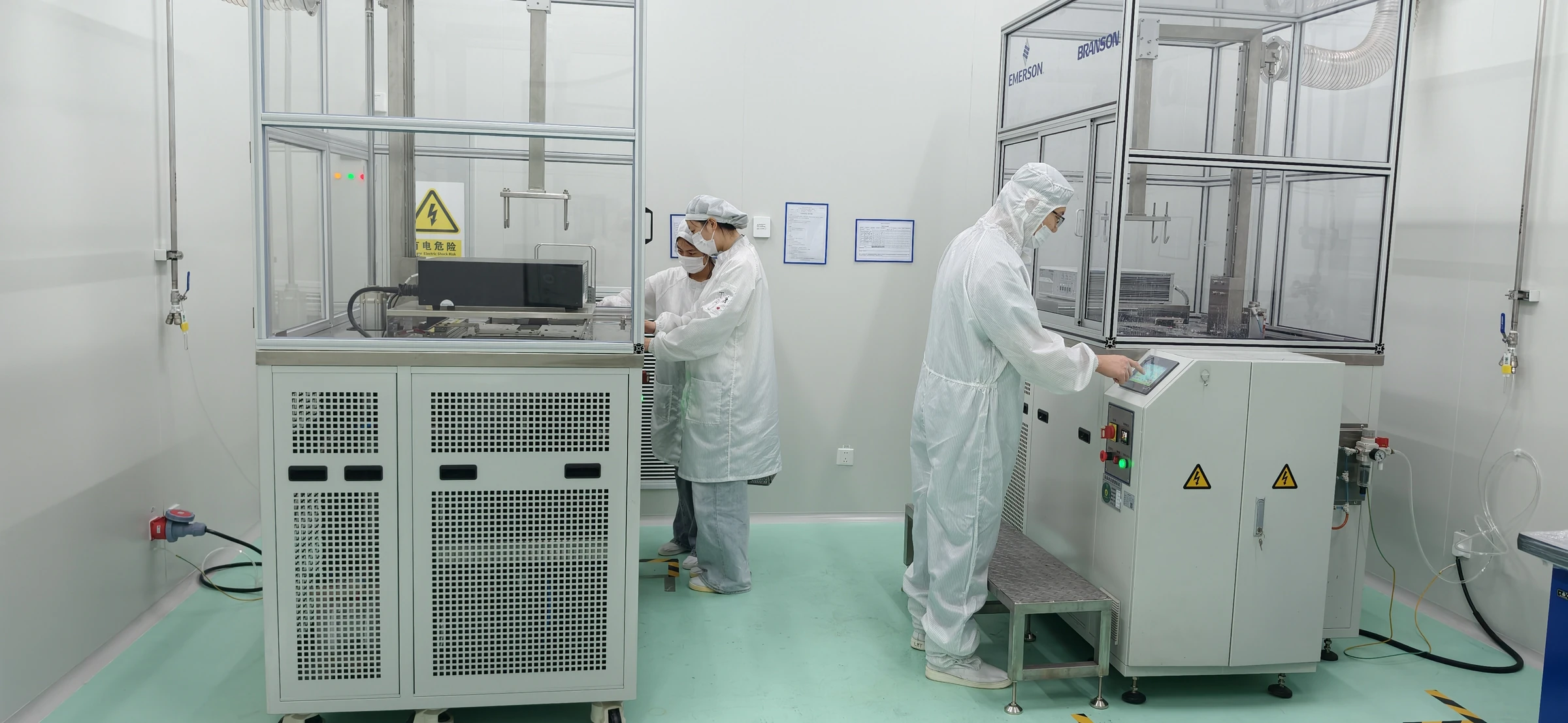
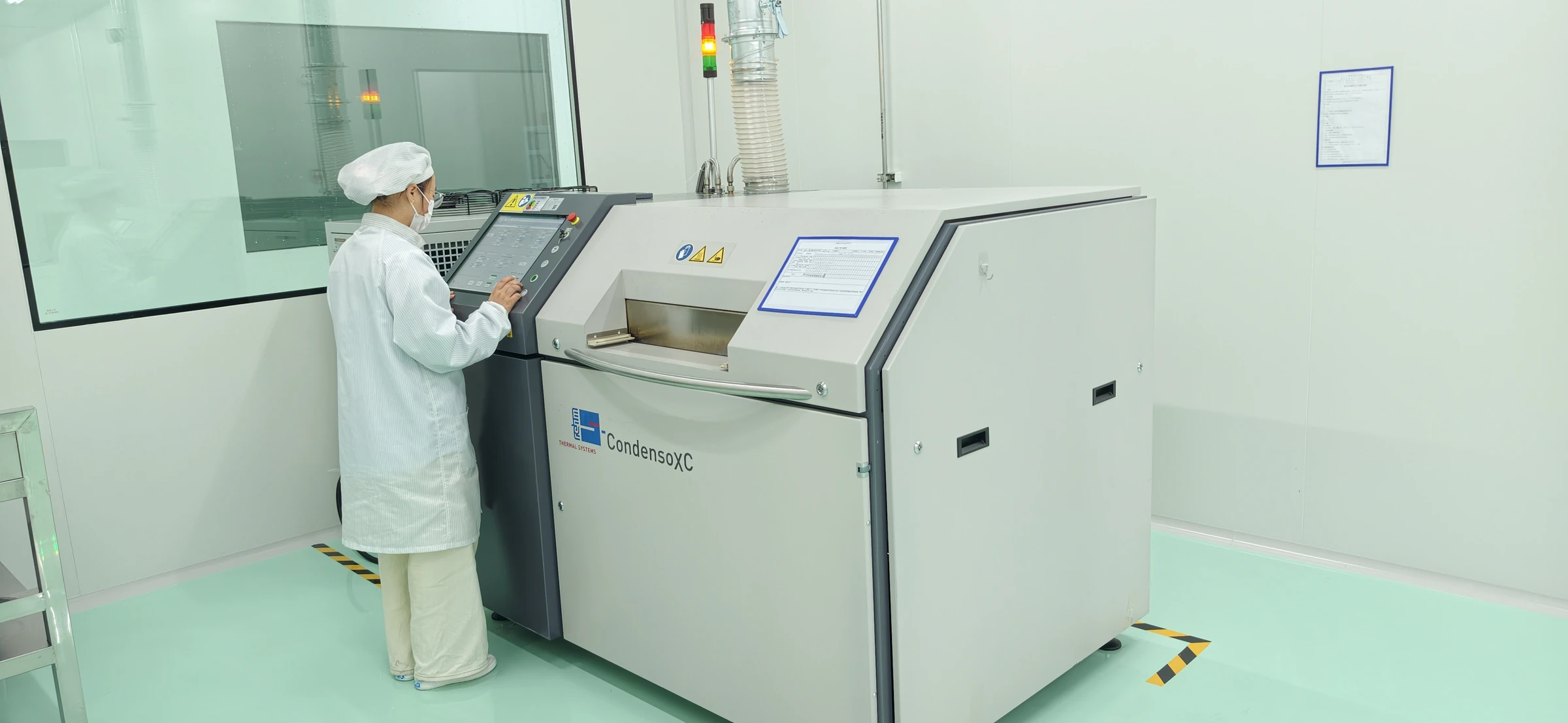
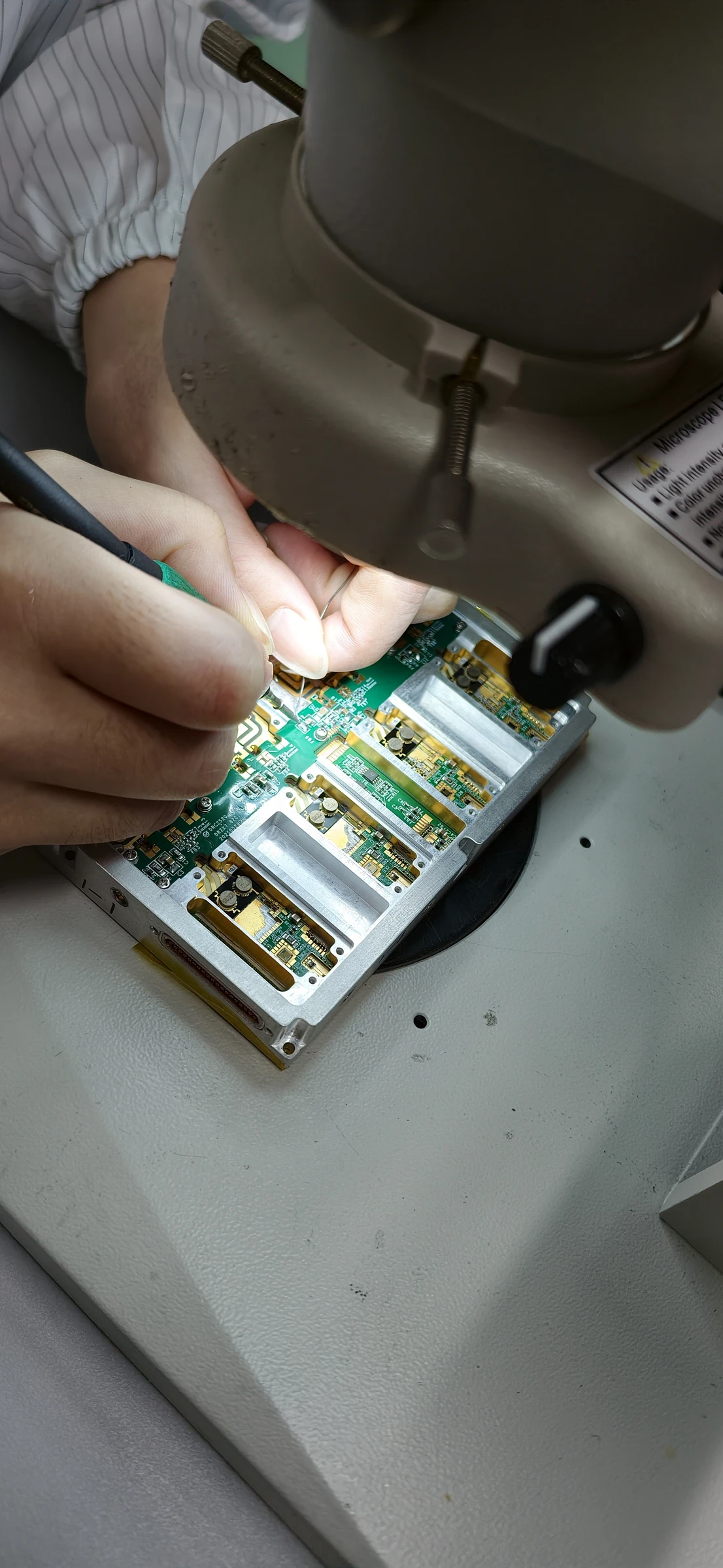
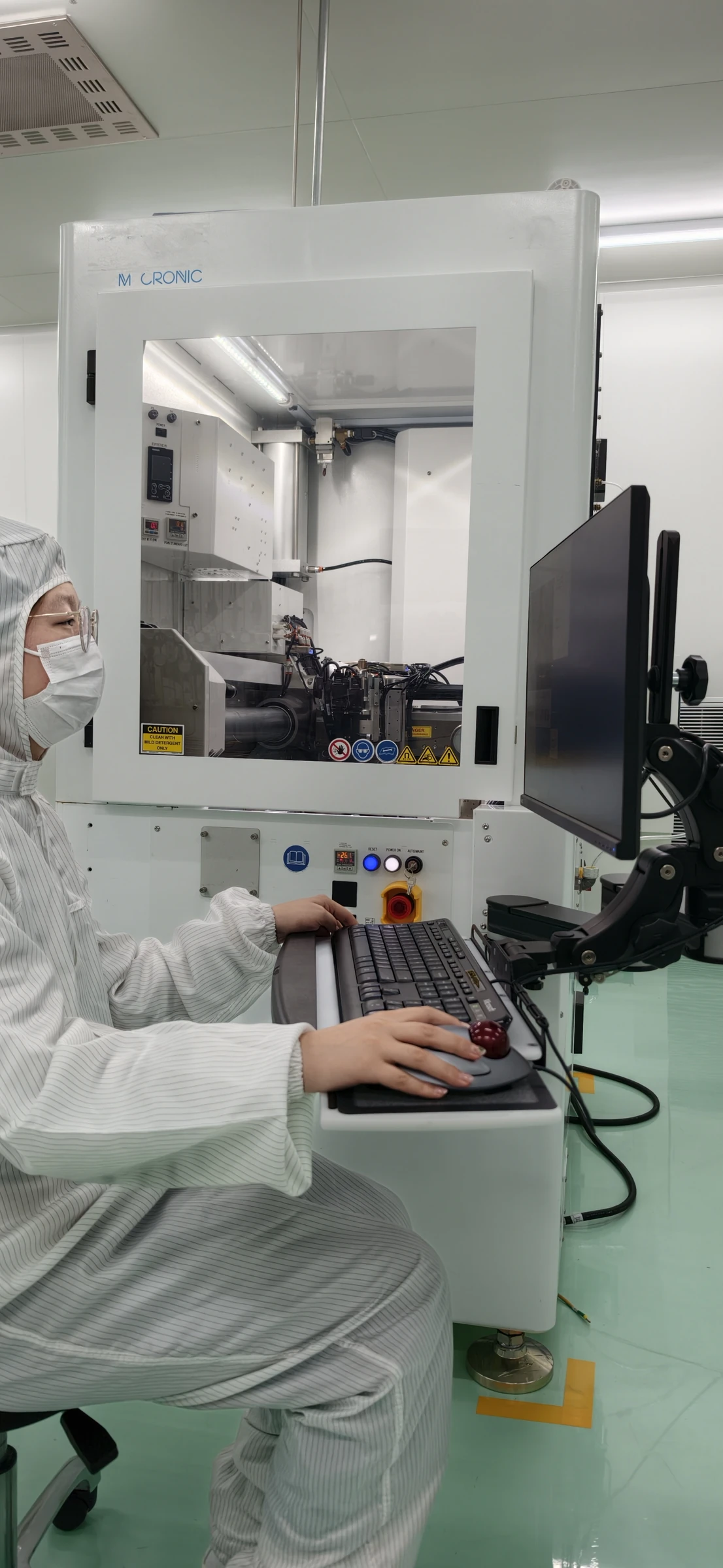
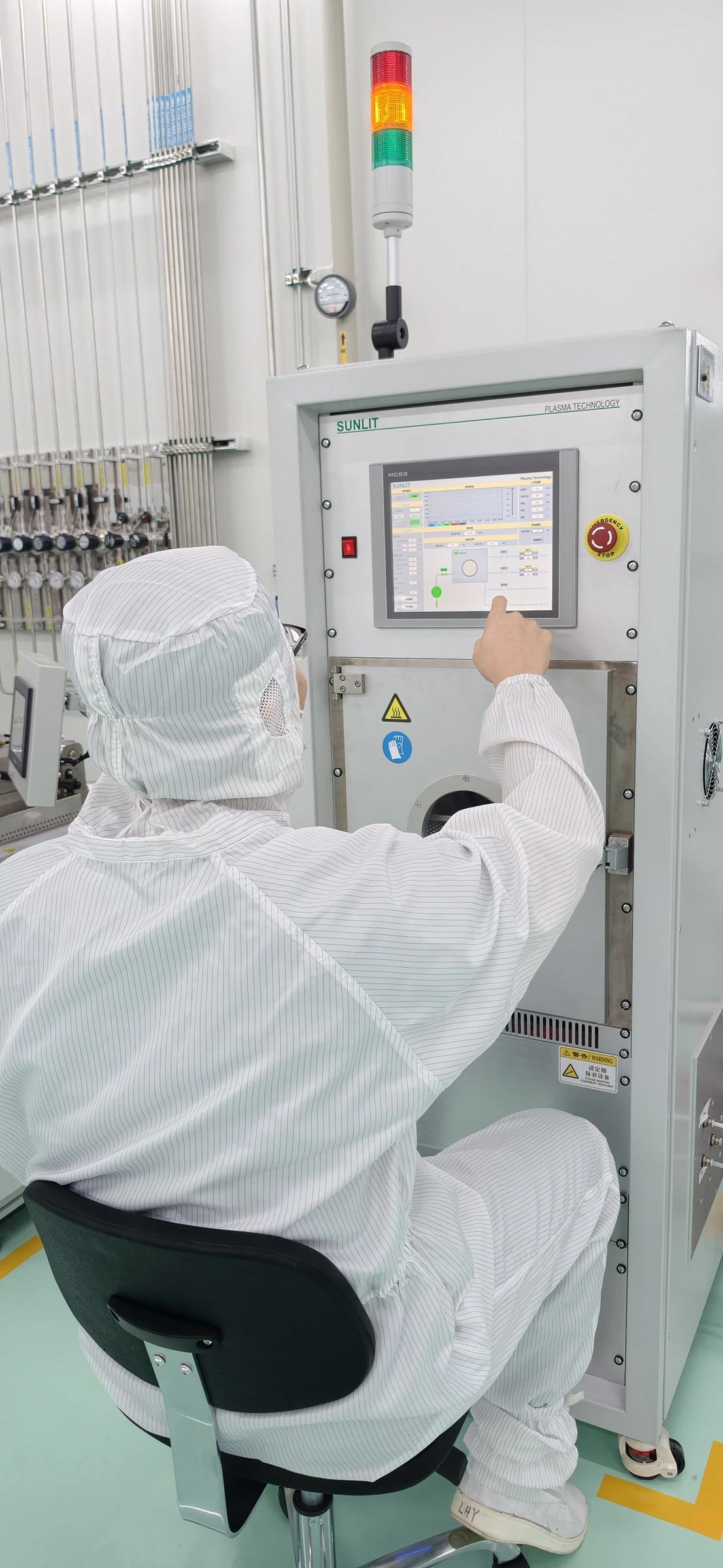
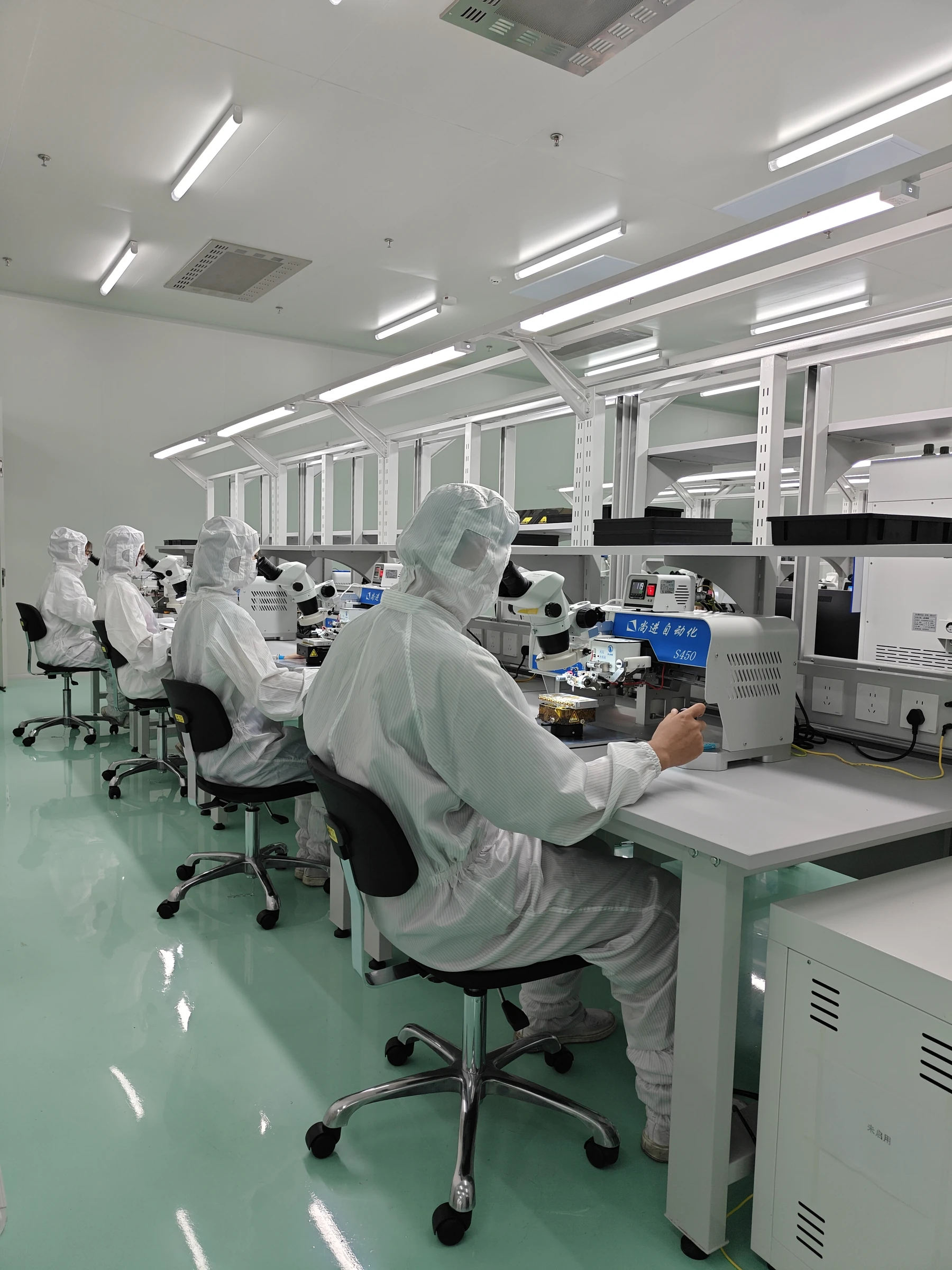
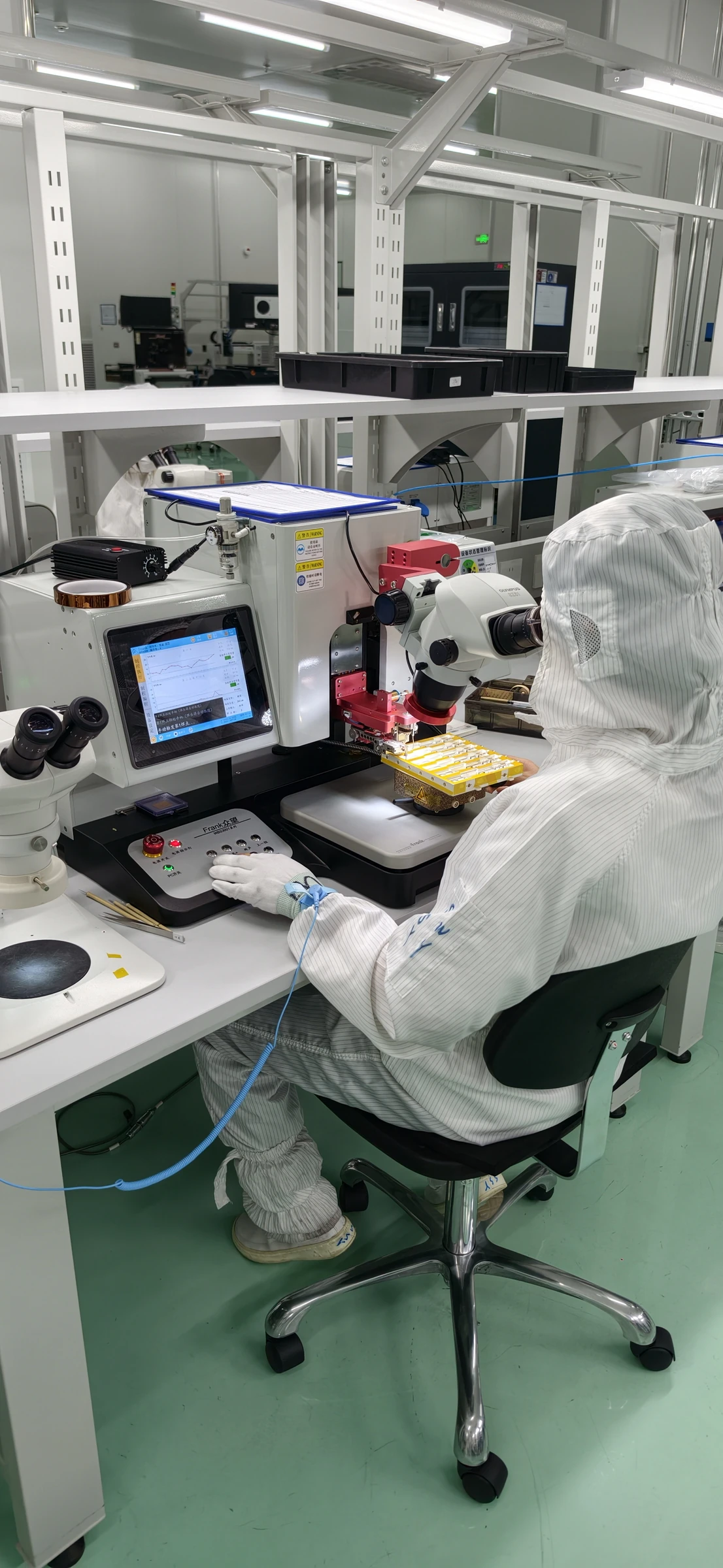
Microassembly connects device and module manufacturing with RF testing and validation.
Explore the microassembly production line through its working environment, equipment and workstations.Production-line album · 35 photos
 View larger image (new tab) ↗
 View larger image (new tab) ↗
 View larger image (new tab) ↗
 View larger image (new tab) ↗
 View larger image (new tab) ↗
 View larger image (new tab) ↗
 View larger image (new tab) ↗
 View larger image (new tab) ↗
View more production-line photos (remaining 27 photos)Total 35 production-line photos
 View larger image (new tab) ↗
 View larger image (new tab) ↗
 View larger image (new tab) ↗
 View larger image (new tab) ↗
 View larger image (new tab) ↗
 View larger image (new tab) ↗
 View larger image (new tab) ↗
 View larger image (new tab) ↗
 View larger image (new tab) ↗
 View larger image (new tab) ↗
 View larger image (new tab) ↗
 View larger image (new tab) ↗
 View larger image (new tab) ↗
 View larger image (new tab) ↗
 View larger image (new tab) ↗
 View larger image (new tab) ↗
 View larger image (new tab) ↗
 View larger image (new tab) ↗
 View larger image (new tab) ↗
 View larger image (new tab) ↗
 View larger image (new tab) ↗
 View larger image (new tab) ↗
 View larger image (new tab) ↗
 View larger image (new tab) ↗
 View larger image (new tab) ↗
 View larger image (new tab) ↗
 View larger image (new tab) ↗
THREE PRODUCT GROUPS
From key devices to mission front ends.
Microwave and millimeter-wave devices and modules
PA / MMIC; PA Drivers, Modules, Subsystems; transceivers, passives and IMA.
Space and ground communications
Space and ground communications, T/R modules, SAR RF chains and payload integration.
Low-altitude sensing front ends
Connecting low-altitude sensing and mission systems for UAVs and eVTOL aircraft.
Engineering objectives High integration, linearity, isolation and efficiency, together with low power consumption, noise and cost. Specific figures depend on the model, configuration and test results; they do not imply that all products have achieved these objectives in testing.